The Visit
Accompany your gaze
THEOPHANIA continues in the digital space. During the visit, the QR code on the bookmark gives access to the content dedicated to the project, its source and the works, following the exhibition itinerary at your own pace and curiosity.
Read more
The visit to THEOPHANIA is built as an experience open to different levels of reading.
The works can be met through the gaze and, for those who wish to go further, the digital dimension offers access to the content that tells their origin, references and relationships.
The THEOPHANIA bookmark, given to the visitor, becomes part of this experience: through the QR code it links the physical itinerary to the digital environment and lets you find the content again even after leaving Palazzo Trinci.
The visit can thus continue beyond the time spent in the rooms.
Information
Visit THEOPHANIA
THEOPHANIA, The recomposition of the real. Works by Giorgio Lupattelli, curated by Gianluca Marziani.
Palazzo Trinci, Foligno. Exhibition: 11 July to 10 October 2026. Opening: 10 July 2026, 5.30 pm.
World premiere. Institutional press conference: 2 July 2026, 11.30 am, Palazzo Donini, Salone d’Onore of the Umbria Region, Perugia.
During the visit, the QR code on the THEOPHANIA bookmark gives access to the digital environment, the guide and the content dedicated to the works.
Palazzo Trinci and the museum project
Palazzo Trinci
History welcomes the present
In the heart of Foligno, Palazzo Trinci welcomes THEOPHANIA and becomes part of its story. The presence of contemporary art within a place so deeply tied to the history and culture of Umbria creates a natural relationship between memory, territory and present.
Palazzo Trinci is the place of THEOPHANIA’s first public manifestation.
Giorgio Lupattelli’s research is deeply crossed by Umbria: from the masters of the Renaissance tradition to the experiences of modern and contemporary art that have marked the territory.
In the curatorial text, Gianluca Marziani recognises this stratification as an integral part of the artist’s visual universe, recalling the Umbria of Perugino, Raffaello and Giotto together with that of Dottori and Burri and the presences left on the territory by Calder, De Dominicis, Pomodoro and Beuys.
Palazzo Trinci becomes the place where this cultural geography meets the present once again.
The museum project
The work enters the space
At Palazzo Trinci, THEOPHANIA takes the form of a museum itinerary. Giorgio Lupattelli’s works enter into relationship with the space, with the memory of the place and with the visitor’s gaze, giving shape to an experience in which artistic research meets the historical and cultural dimension of the museum.
The museum project is the moment in which THEOPHANIA enters the space and is entrusted to the experience of the public.
Palazzo Trinci welcomes Giorgio Lupattelli’s research within a deeply stratified place, where architecture, history and artistic heritage belong to the cultural memory of Umbria.
Gianluca Marziani’s scientific and museum curatorship accompanies this relationship, organising the corpus into an itinerary able to render its connections, themes and tensions.
The source generates the research, the artist gives it form, the space welcomes it, the visitor completes the relationship.
Palazzo Trinci in pictures
-
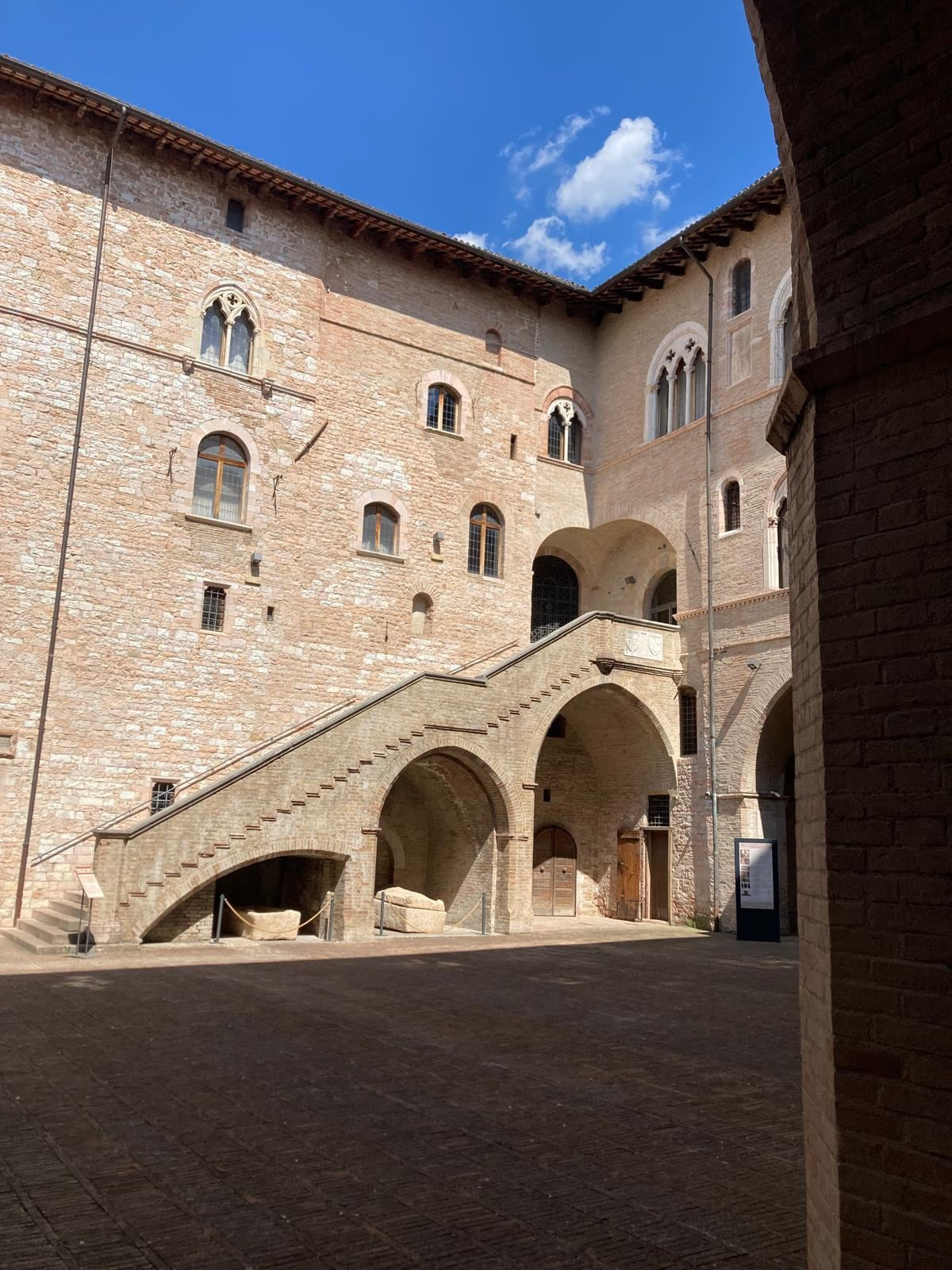
Palazzo Trinci, the courtyard. -
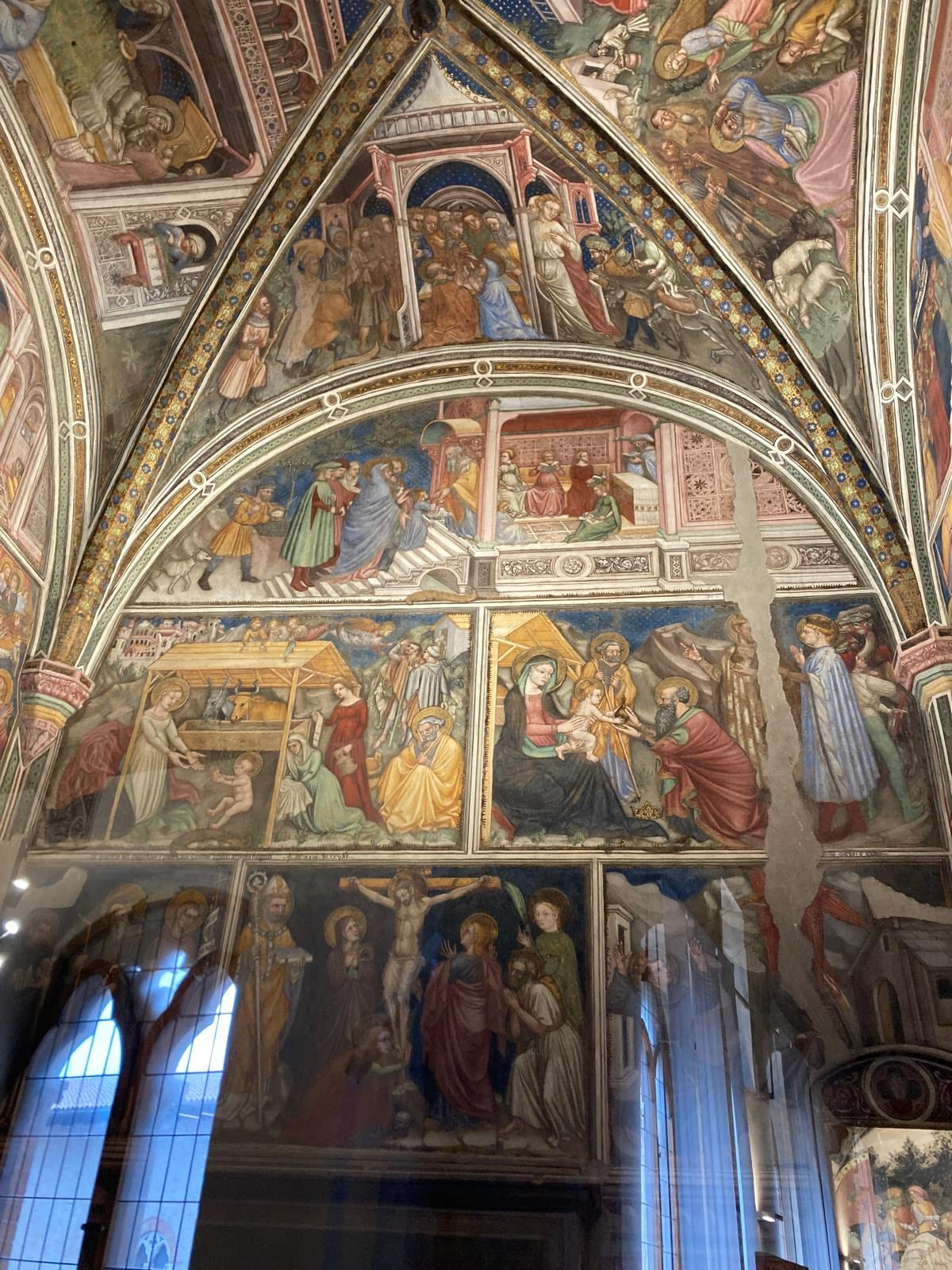
Palazzo Trinci, the frescoed vaults. -
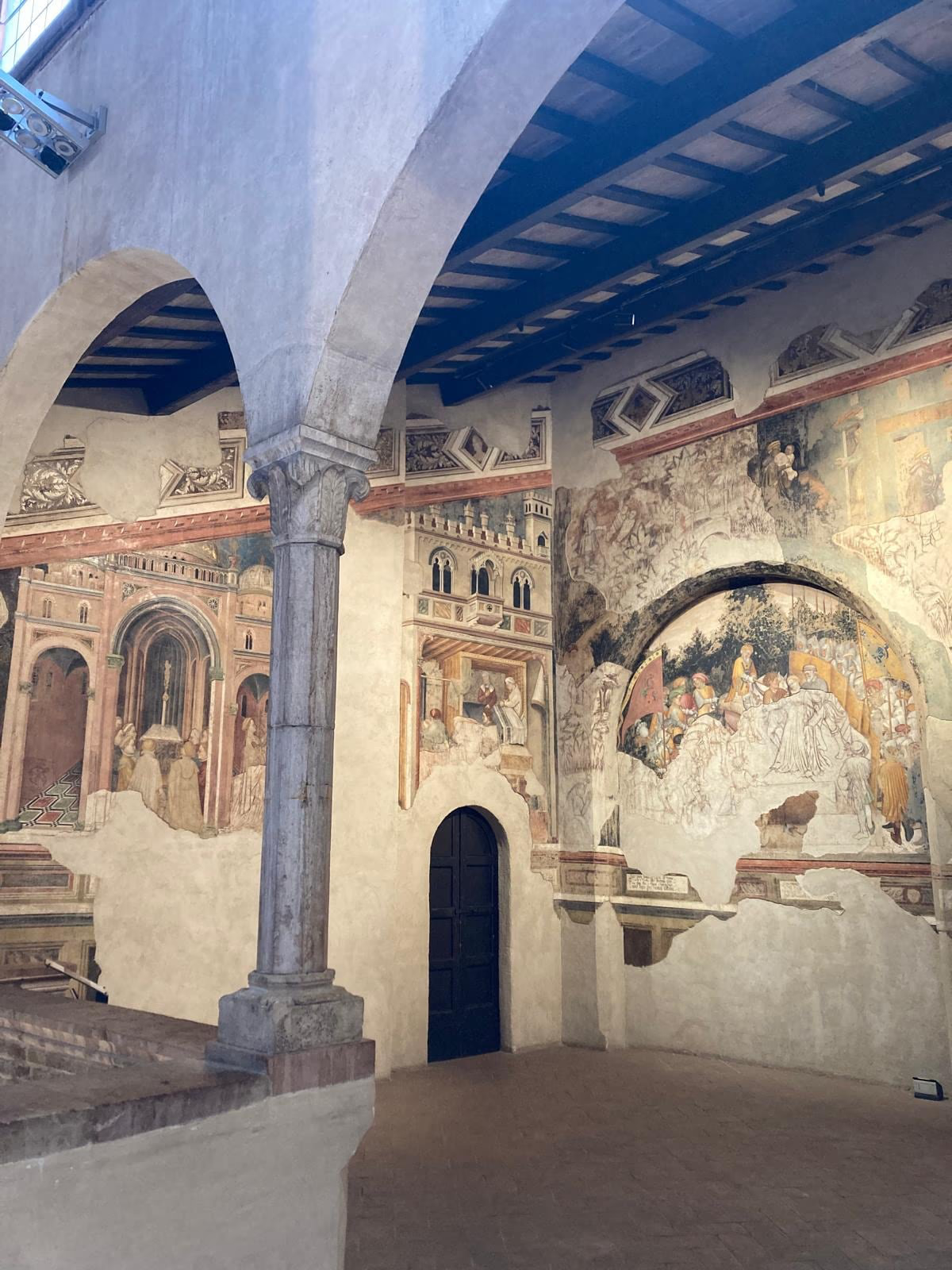
Palazzo Trinci, one of the rooms of the itinerary. -
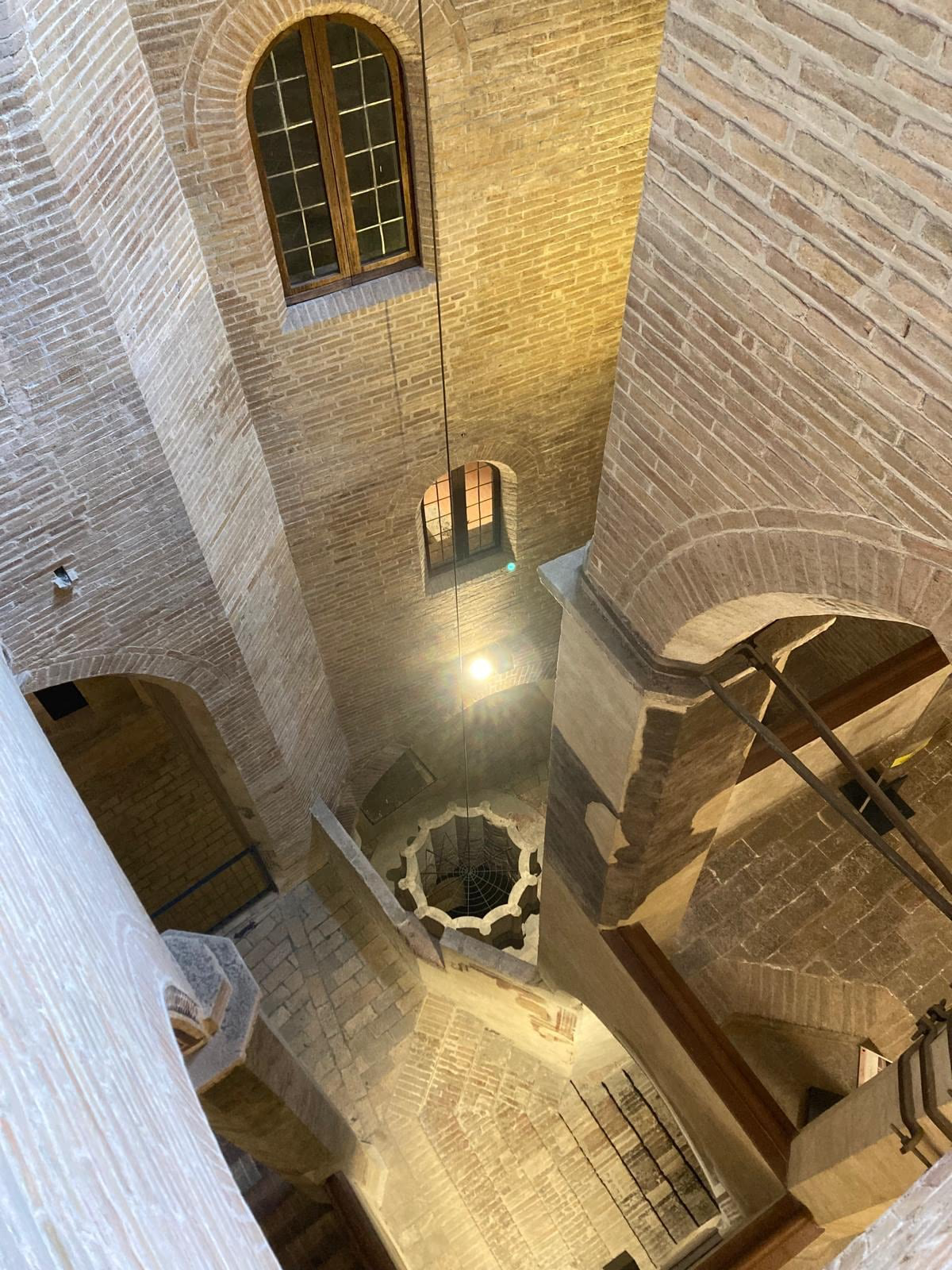
Palazzo Trinci, the vaults and the inner staircase. -
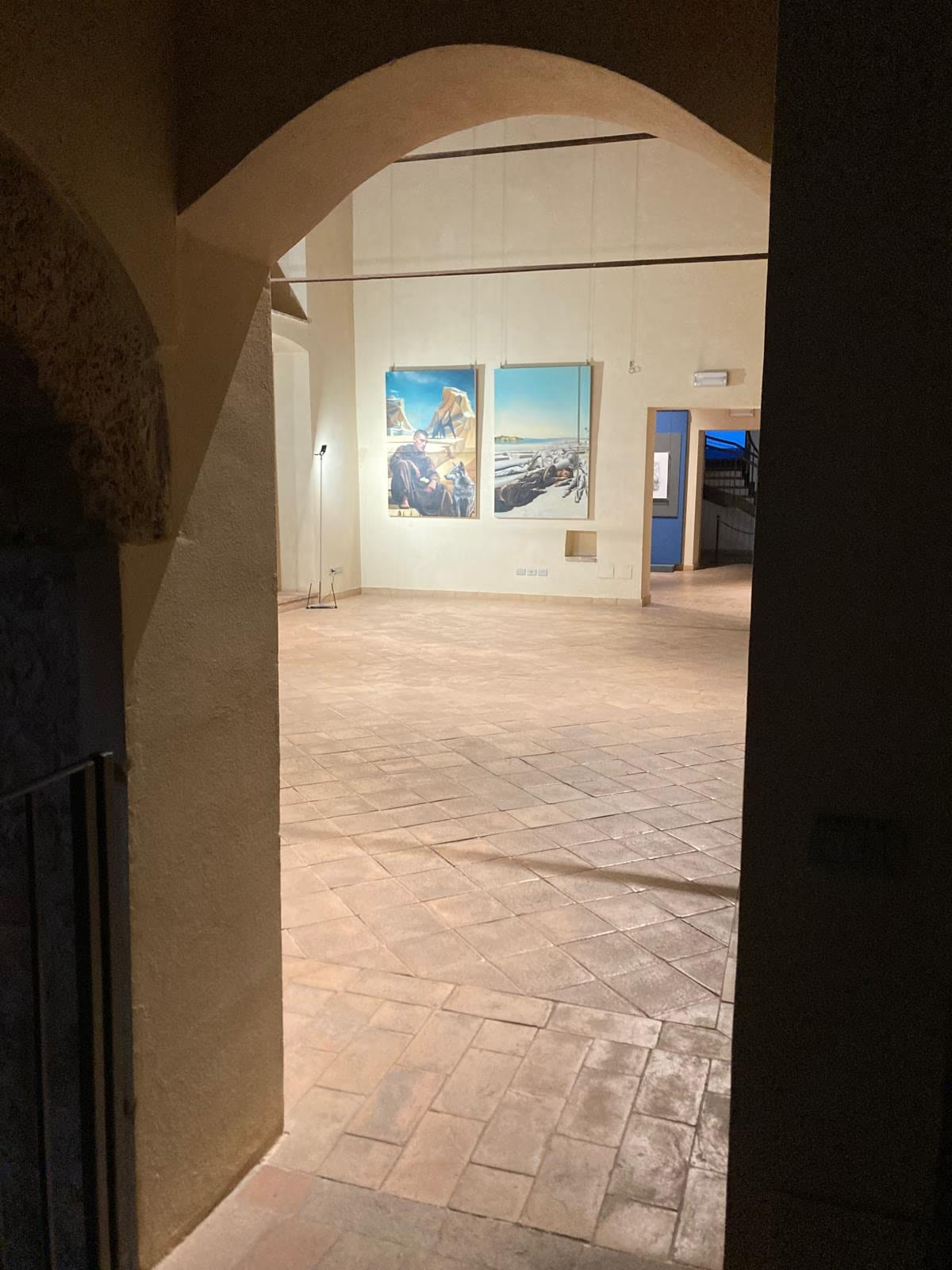
Palazzo Trinci, the threshold of one of the rooms of the itinerary.
Practical information
- Venue
- Palazzo Trinci
Piazza della Repubblica, Foligno (PG)
Sale di Messalina e Sala degli Artisti
Open in maps - Open to the public
- From 11 July to 10 October 2026
- Days and hours
- July: Tuesday to Sunday, 10.00 to 19.00.
August: every day, 10.00 to 19.00.
September: Tuesday to Sunday, 10.00 to 19.00.
October: Tuesday to Sunday, 10.00 to 13.00 and 15.00 to 19.00. Last entry at 12.30 and 18.30.
Closed on non-holiday Mondays, except in August. - Booking
- CoopCulture,
coopculture.it
0742 330584 - Opening
-
10 July 2026, 5.30 pm
Palazzo Trinci, Sala dei Giganti, Foligno
Guest registration from 5.15 pm. By invitation. - World premiere
-
2 July 2026, 11.30 am
Palazzo Donini, Salone d’Onore of the Umbria Region, Perugia
The route through the rooms
The works in the order in which they are met while visiting the exhibition. It is a different reading from the one by cores: in the rooms the preparatory studies stand beside the major works, while in the Works section each one lives within the panel that generated it.
Sale di Messalina, Room 1
- 01 THEOPHANIA Major work , acrylic on canvas
- 02 THEOPHANIA (trittico 1) Major work , oil on canvas
- 03 THEOPHANIA (trittico 2) Major work , oil on canvas
- 04 THEOPHANIA (trittico 3) Major work , oil on canvas
- 05 Unus Preparatory study , ink on paper
- 06 Cosmo come corpo vivente Preparatory study , ink on paper
- 07 Origine senza inizio Preparatory study , ink on paper
- 08 Compimento senza fine Preparatory study , ink on paper
- 09 Francesco come soglia Preparatory study , ink on paper
- 10 La lode come stato dell’essere Preparatory study , ink on paper
- 11 Il corpo come luogo del divino Preparatory study , ink on paper
- 12 Le stelle come semi del destino Preparatory study , ink on paper
- 13 Purificazione del cuore Preparatory study , ink on paper
- 14 Il Tau come sigillo Preparatory study , ink on paper
- 15 Opera Maior come corpo composto Preparatory study , ink on paper
- 16 Assenza di dramma Preparatory study , ink on paper
Sale di Messalina, Room 2
- 17 UNUS - Unità del reale Panel , mixed media: charcoal, pencil, ink, watercolour on laid paper with untrimmed edges
- 18 Cosmo come corpo vivente Panel , mixed media: charcoal, pencil, ink, watercolour on laid paper with untrimmed edges
- 19 Origine senza inizio Panel , mixed media: charcoal, pencil, ink, watercolour on laid paper with untrimmed edges
- 20 Compimento senza fine Panel , mixed media: charcoal, pencil, ink, watercolour on laid paper with untrimmed edges
- 21 Francesco come soglia Panel , mixed media: charcoal, pencil, ink, watercolour on laid paper with untrimmed edges
- 22 La lode come stato dell’essere Panel , mixed media: charcoal, pencil, ink, watercolour on laid paper with untrimmed edges
Sala degli Artisti
- 23 Il corpo come luogo del divino Panel , mixed media: charcoal, pencil, ink, watercolour on laid paper with untrimmed edges
- 24 Le stelle come semi del destino Panel , mixed media: charcoal, pencil, ink, watercolour on laid paper with untrimmed edges
- 25 Purificazione del cuore Panel , mixed media: charcoal, pencil, ink, watercolour on laid paper with untrimmed edges
- 26 Il Tau come sigillo Panel , mixed media: charcoal, pencil, ink, watercolour on laid paper with untrimmed edges
- 27 Opera Maior come corpo composto Panel , mixed media: charcoal, pencil, ink, watercolour on laid paper with untrimmed edges
- 28 Assenza di dramma Panel , mixed media: charcoal, pencil, ink, watercolour on laid paper with untrimmed edges
The exhibition on display
-
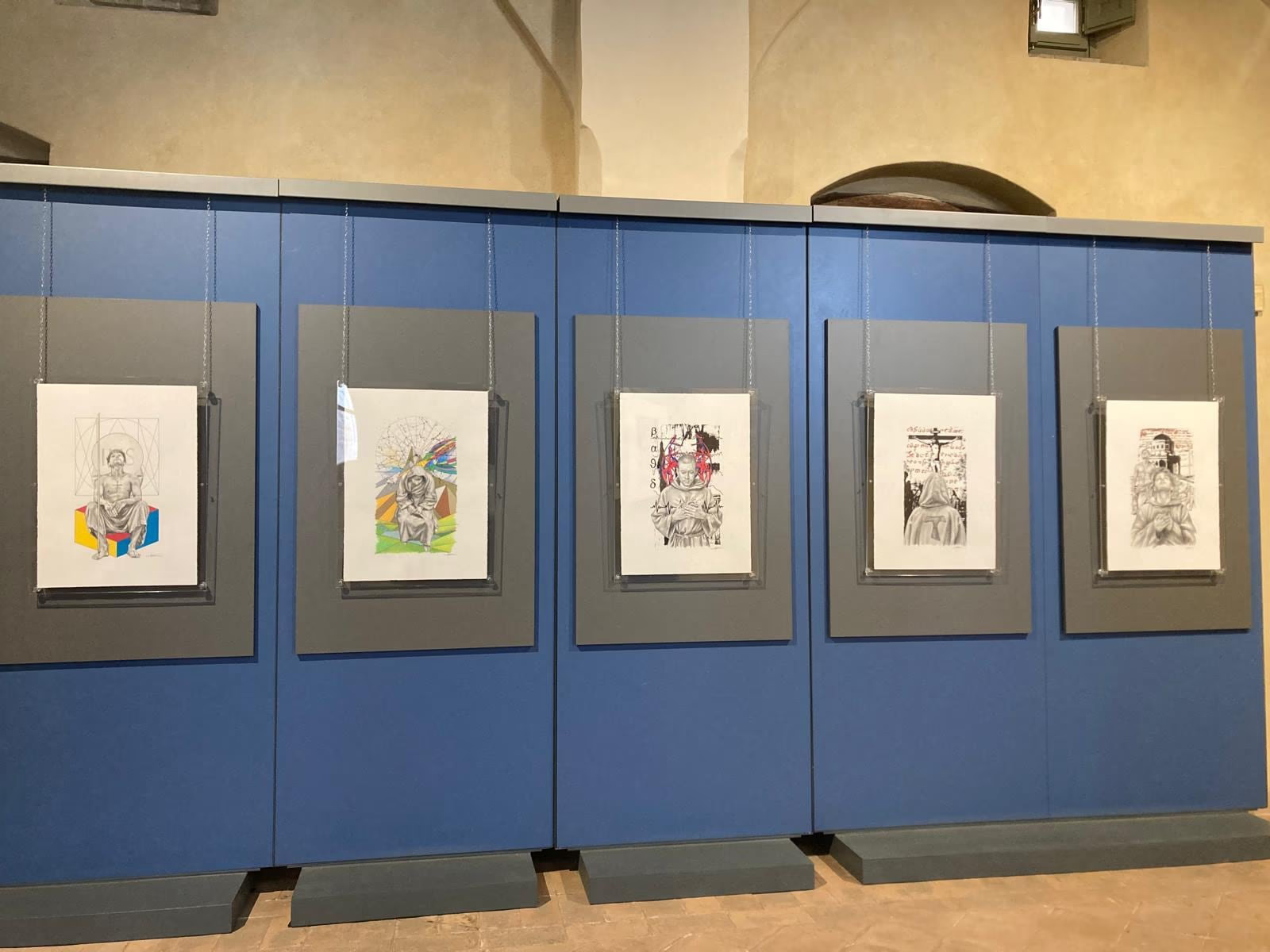
The panels in the Sale di Messalina. -
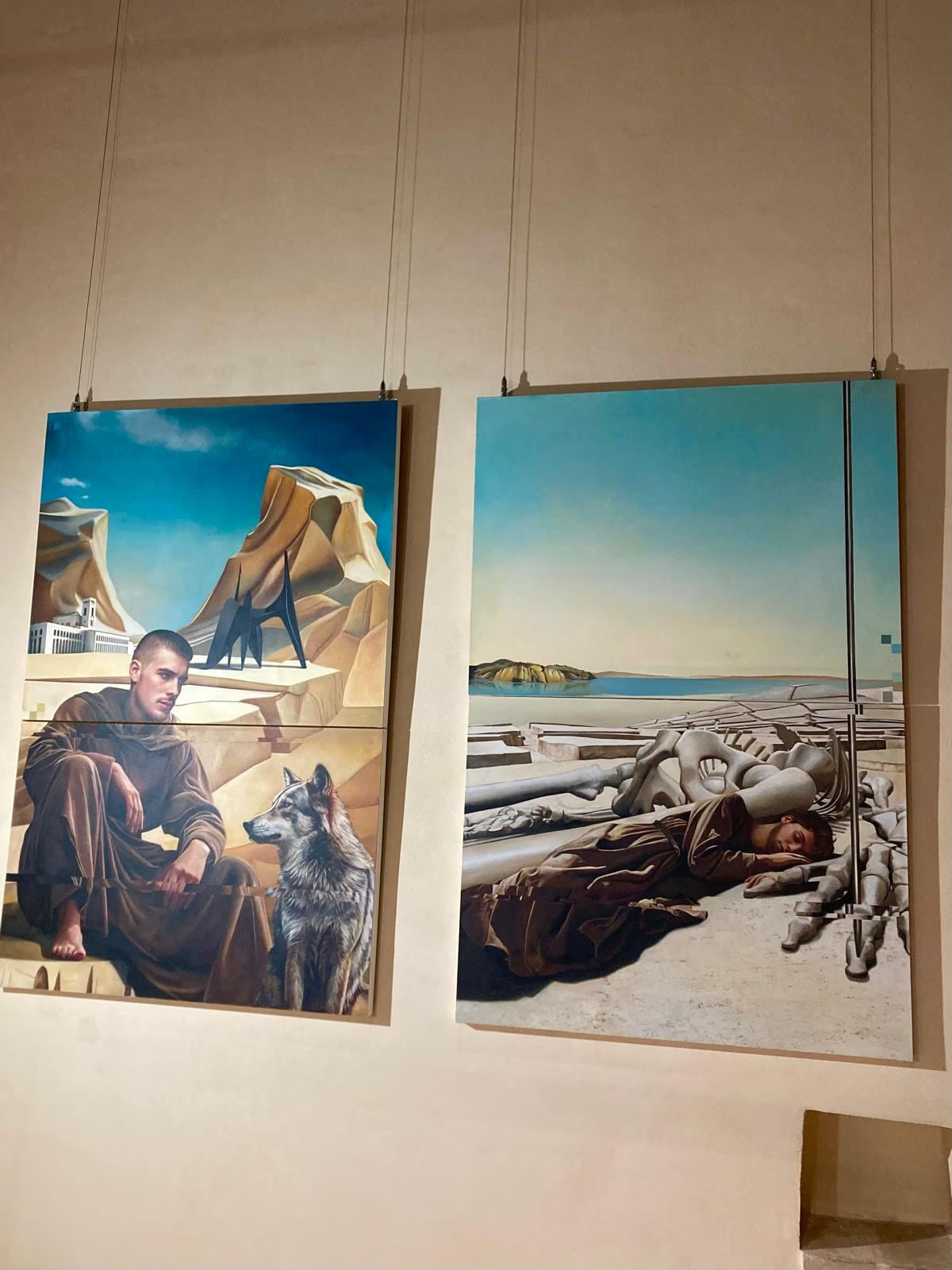
The major works, oil on canvas. -
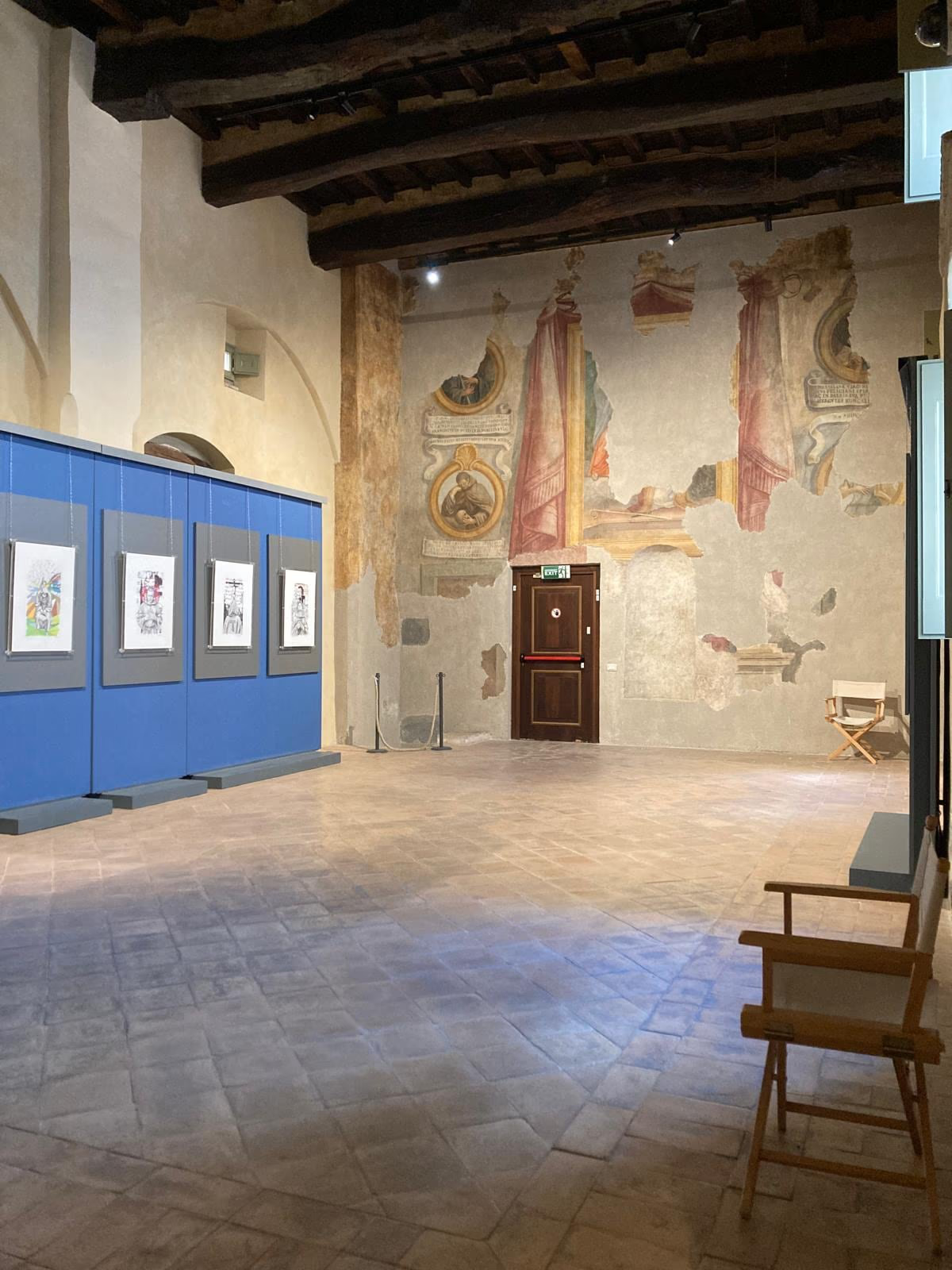
The display inside the frescoed rooms. -
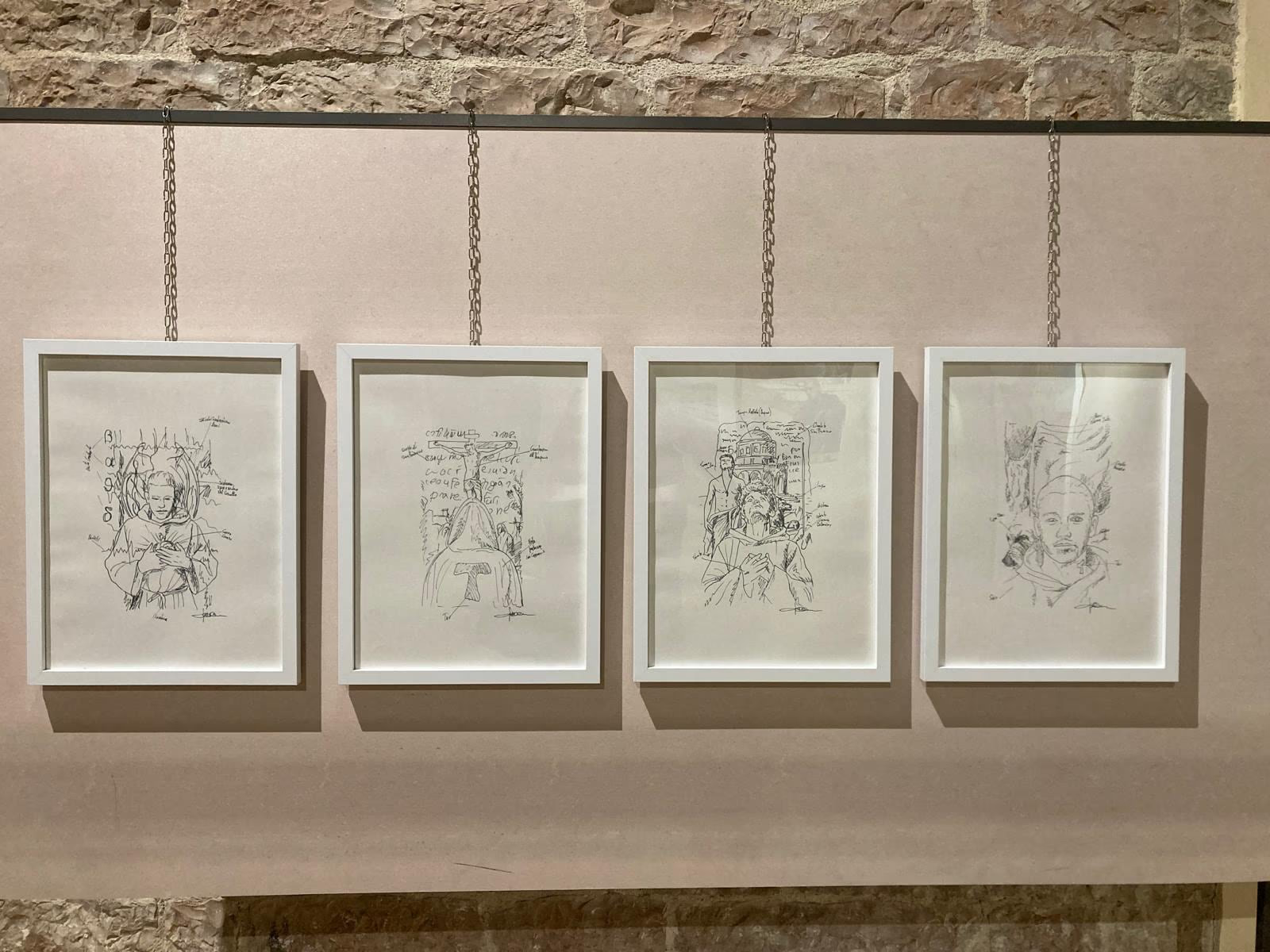
The preparatory studies. -
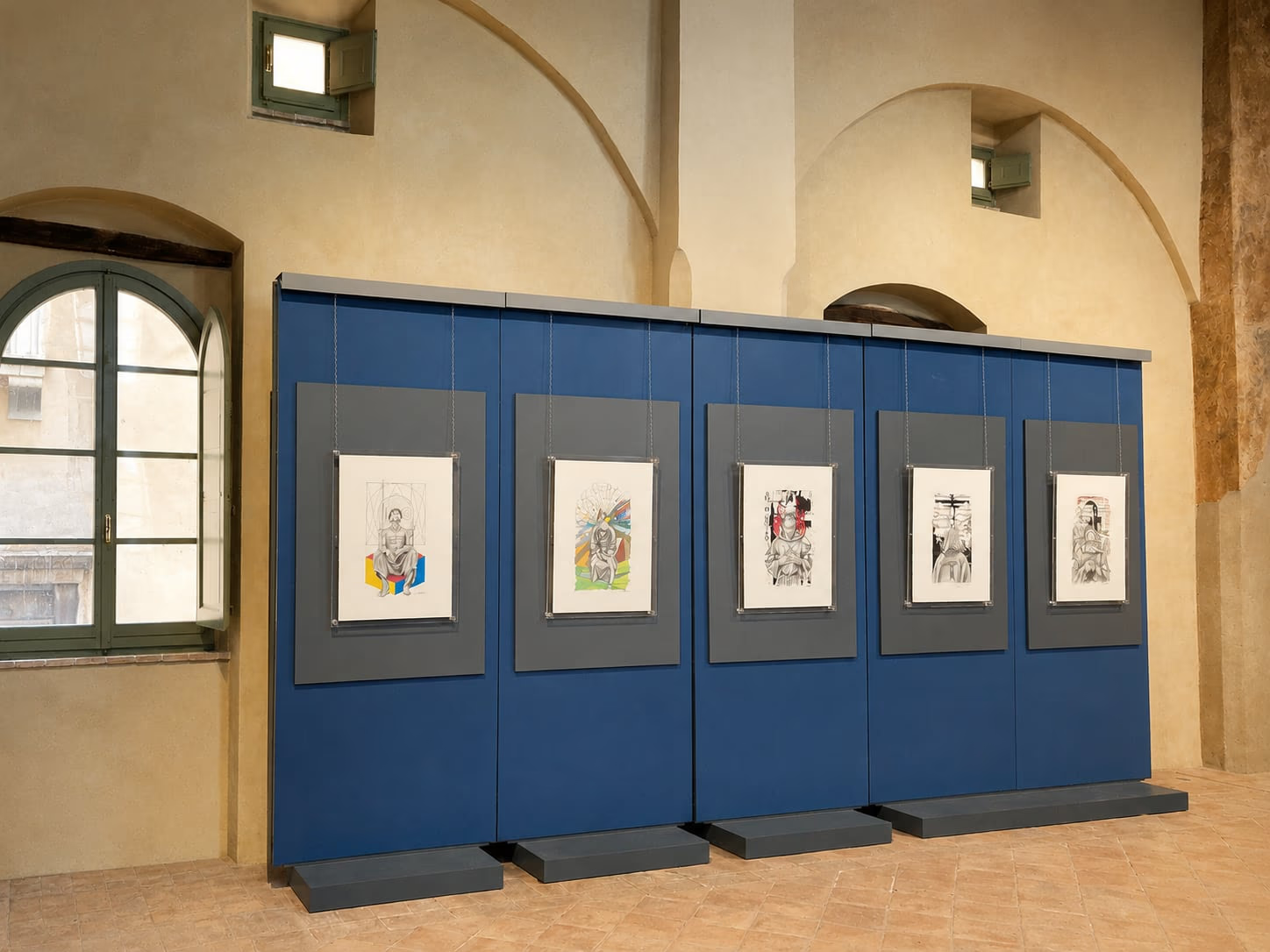
The wall of preparatory studies. -
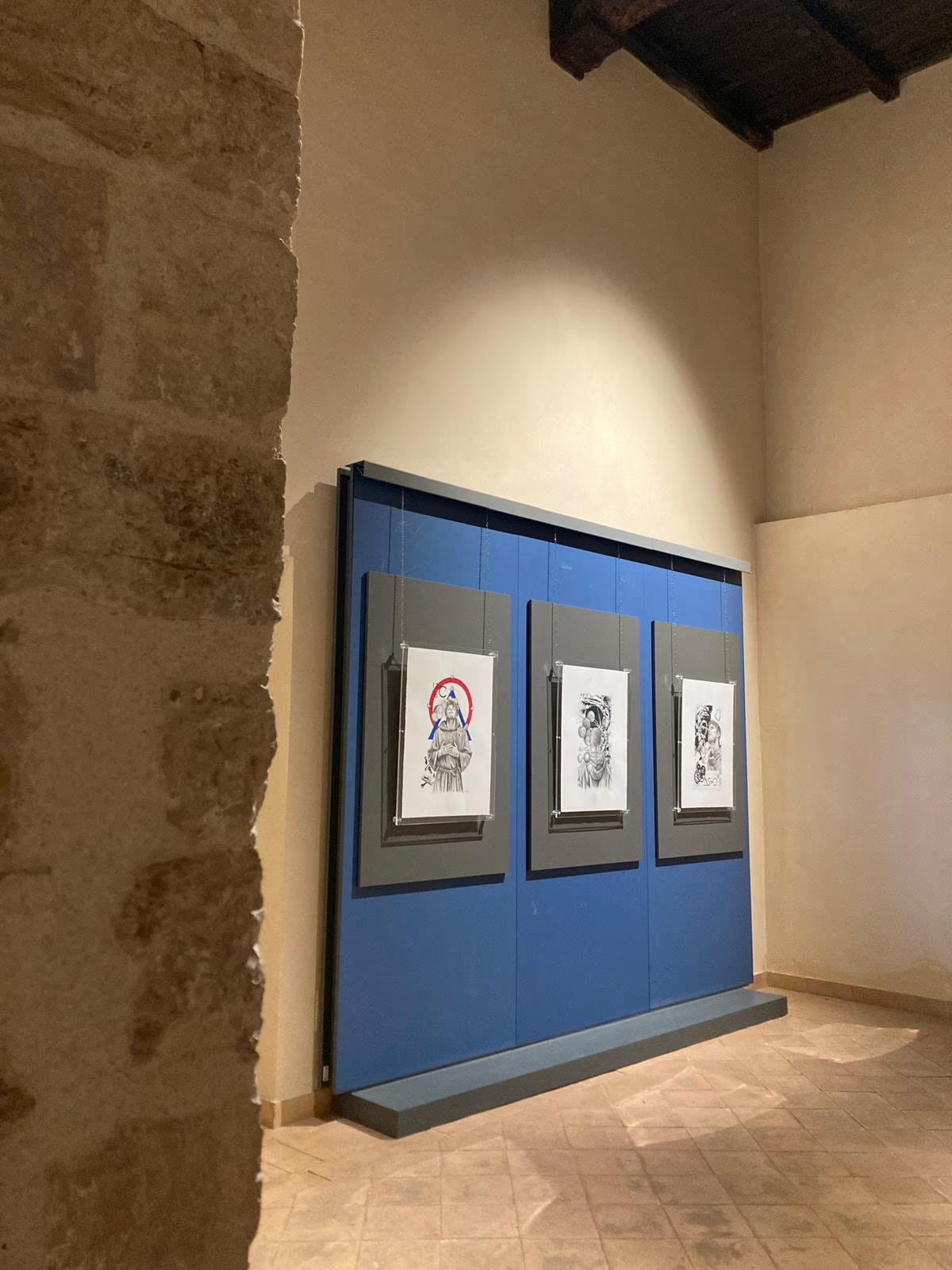
The display seen from the passage between two rooms. -
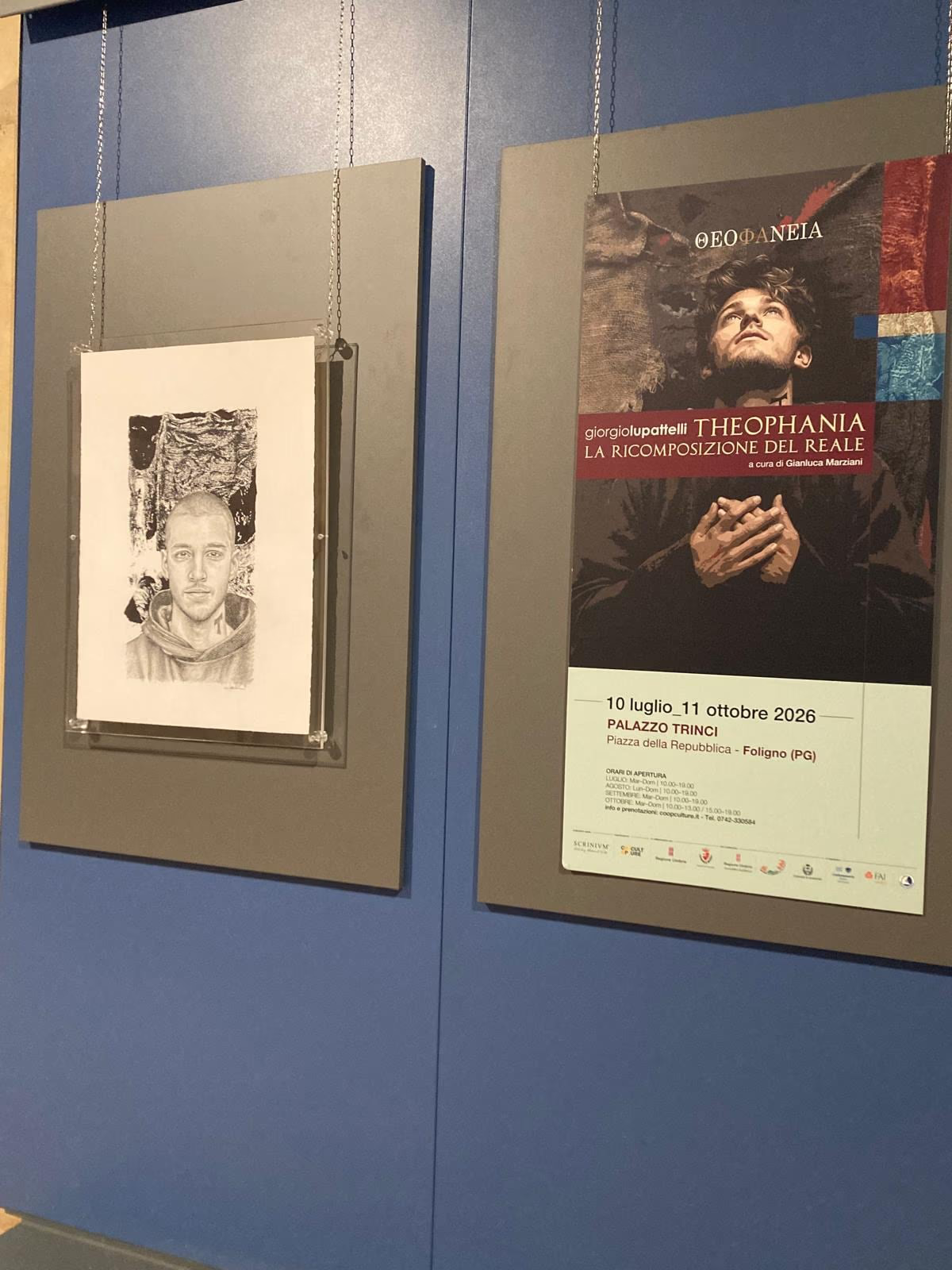
The entrance to the exhibition itinerary.
The public
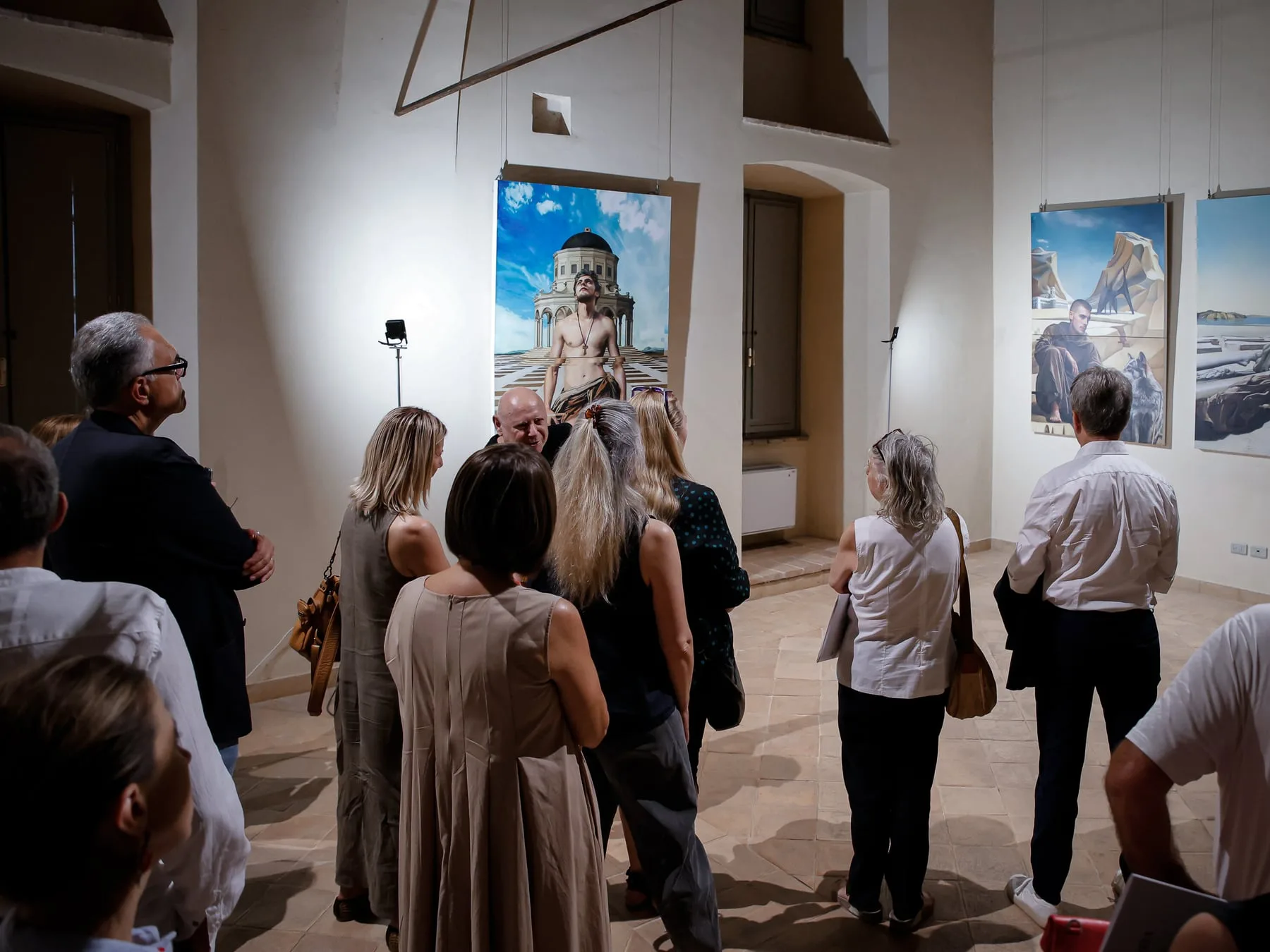
The exhibition has been open since 11 July. These are the rooms with the people they were arranged for.
-
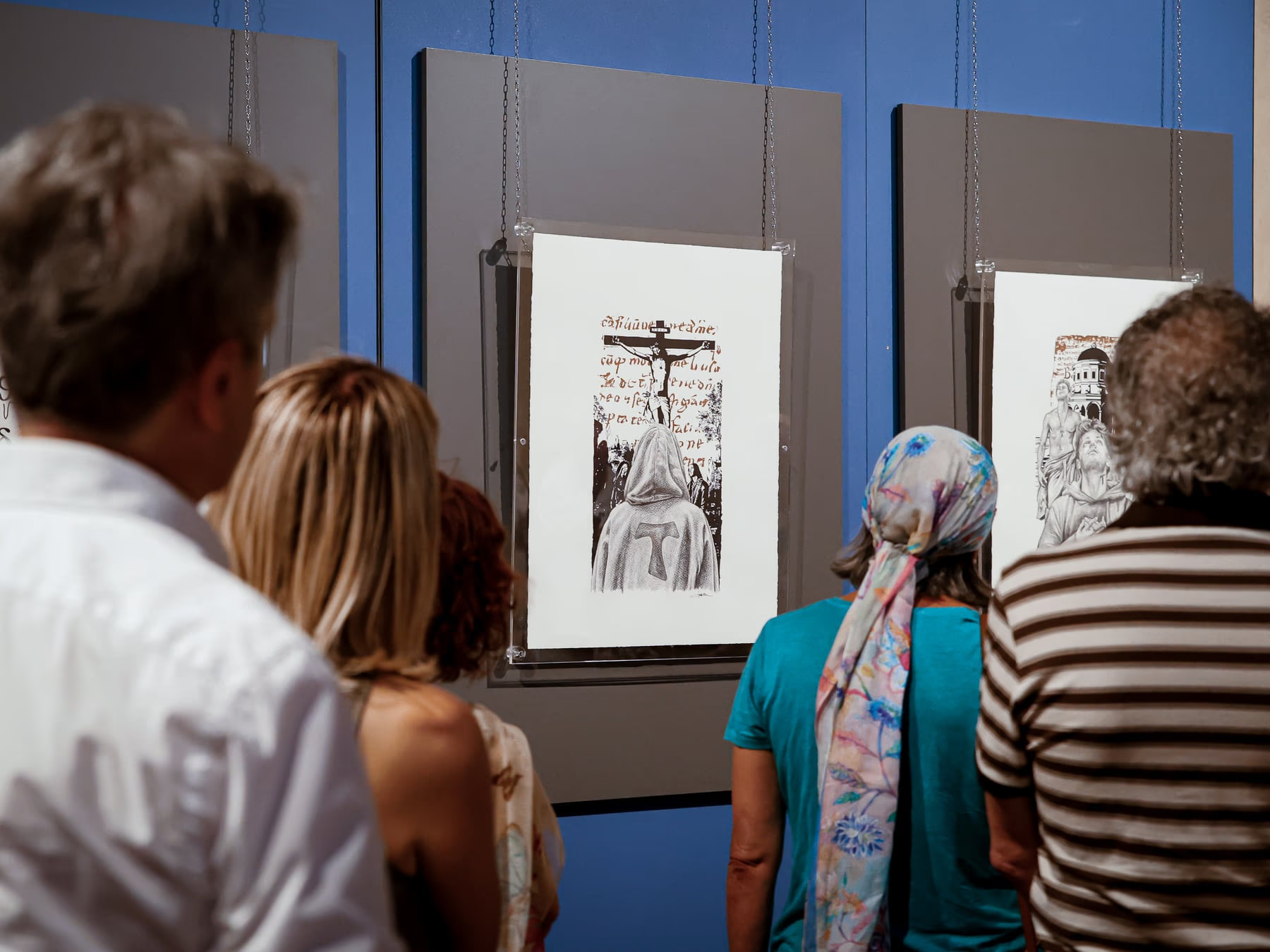
Before the panels. -
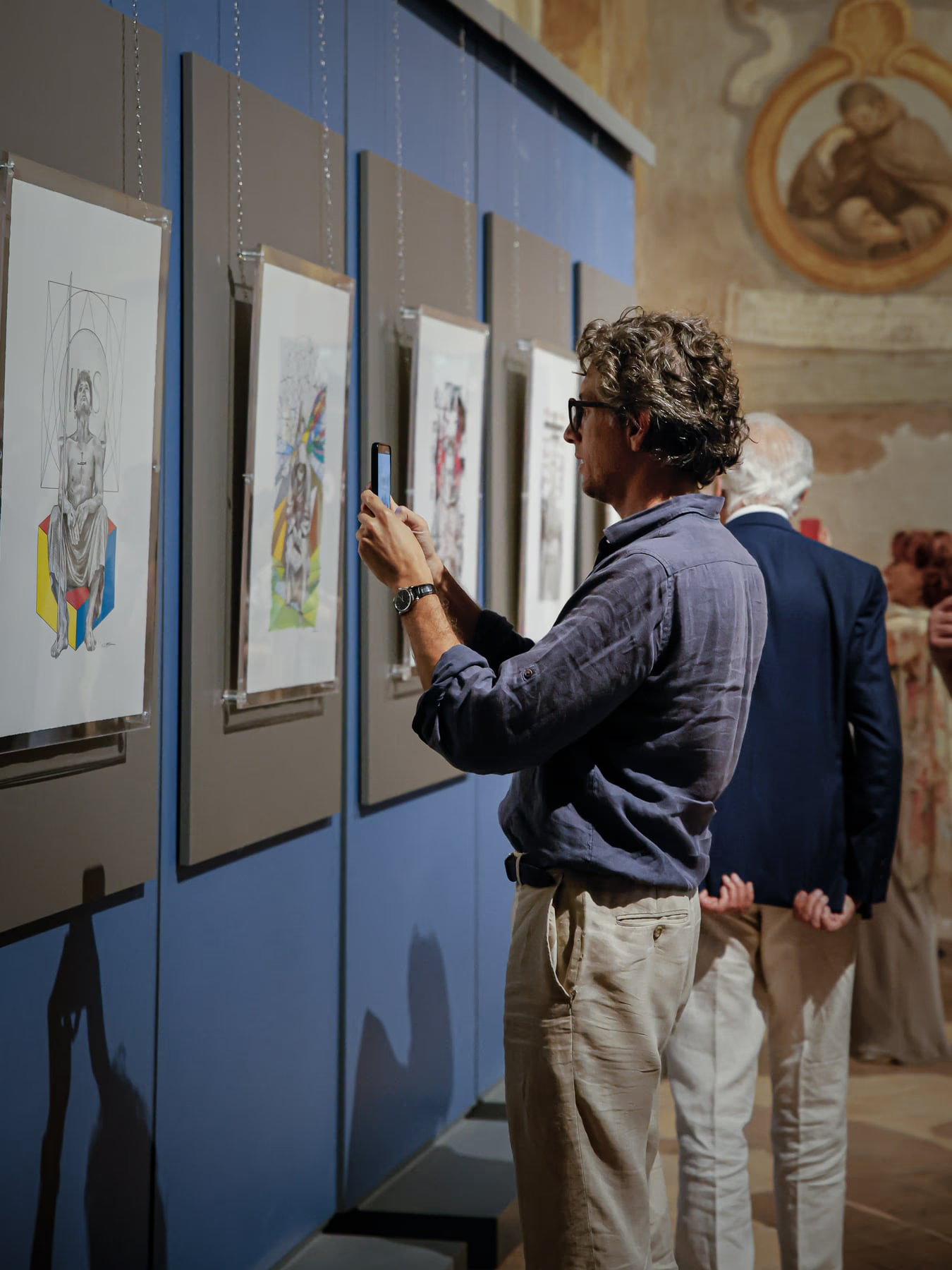
A work discussed. -
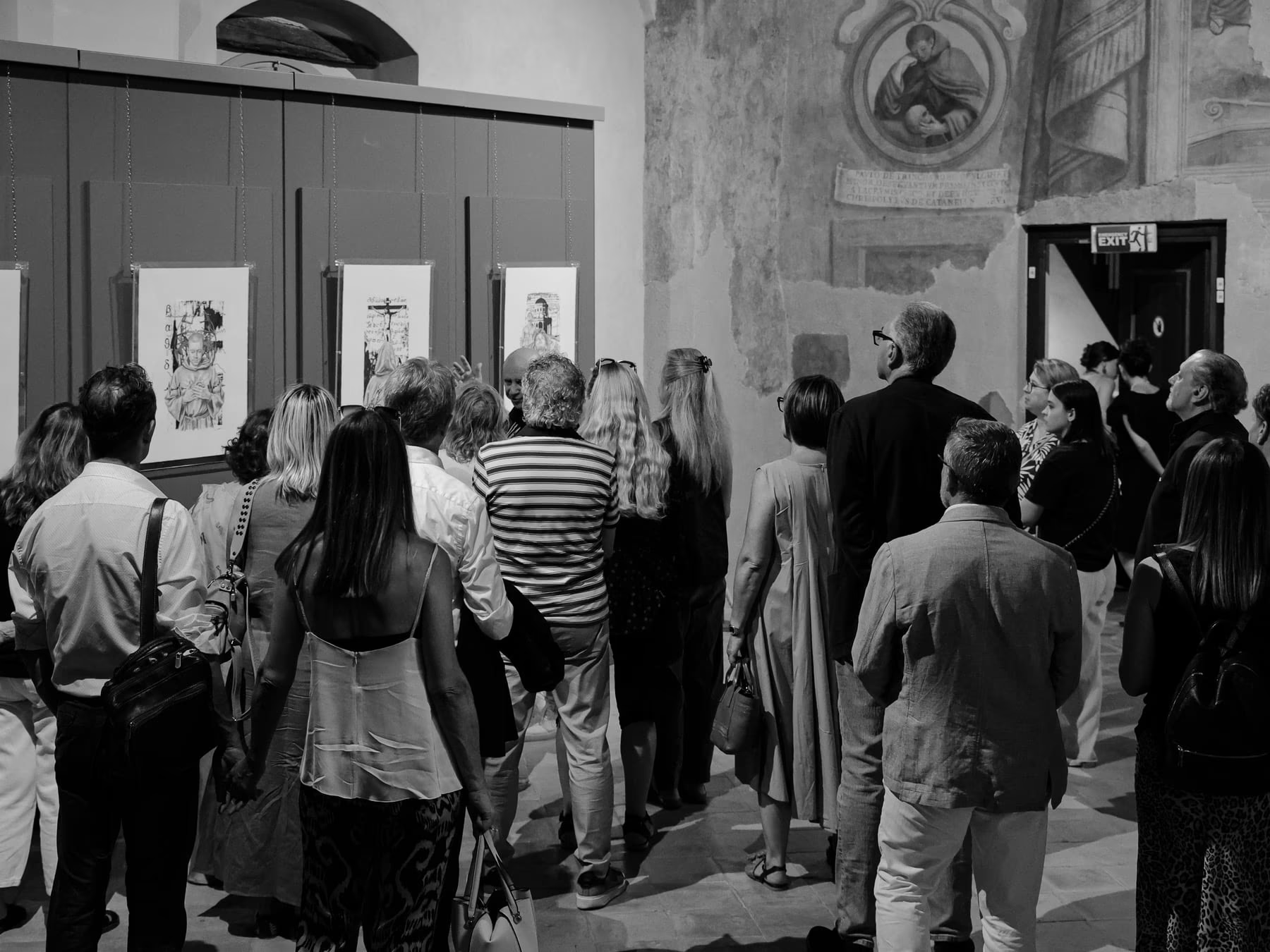
The room at its busiest. -
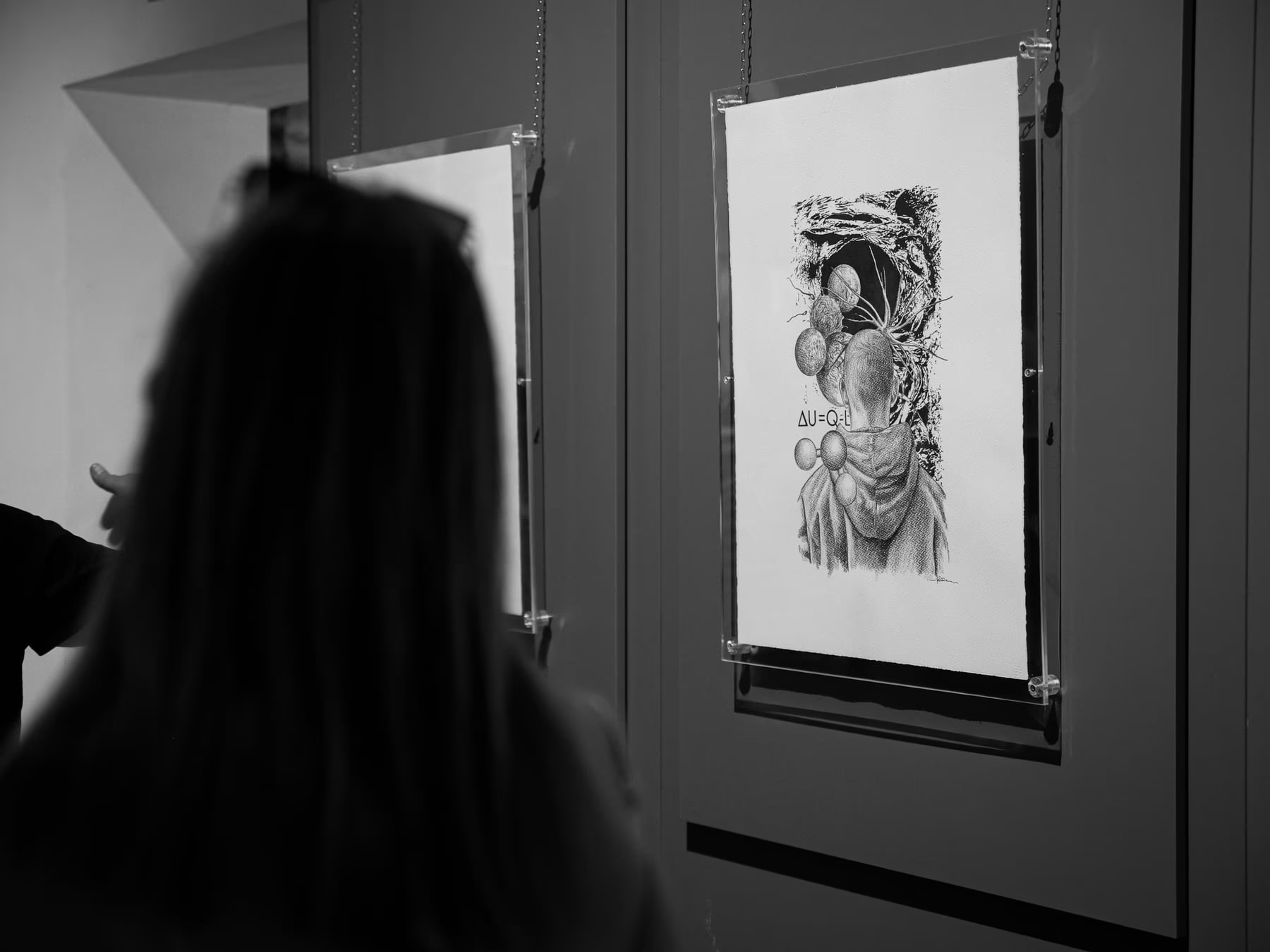
A closer look. -
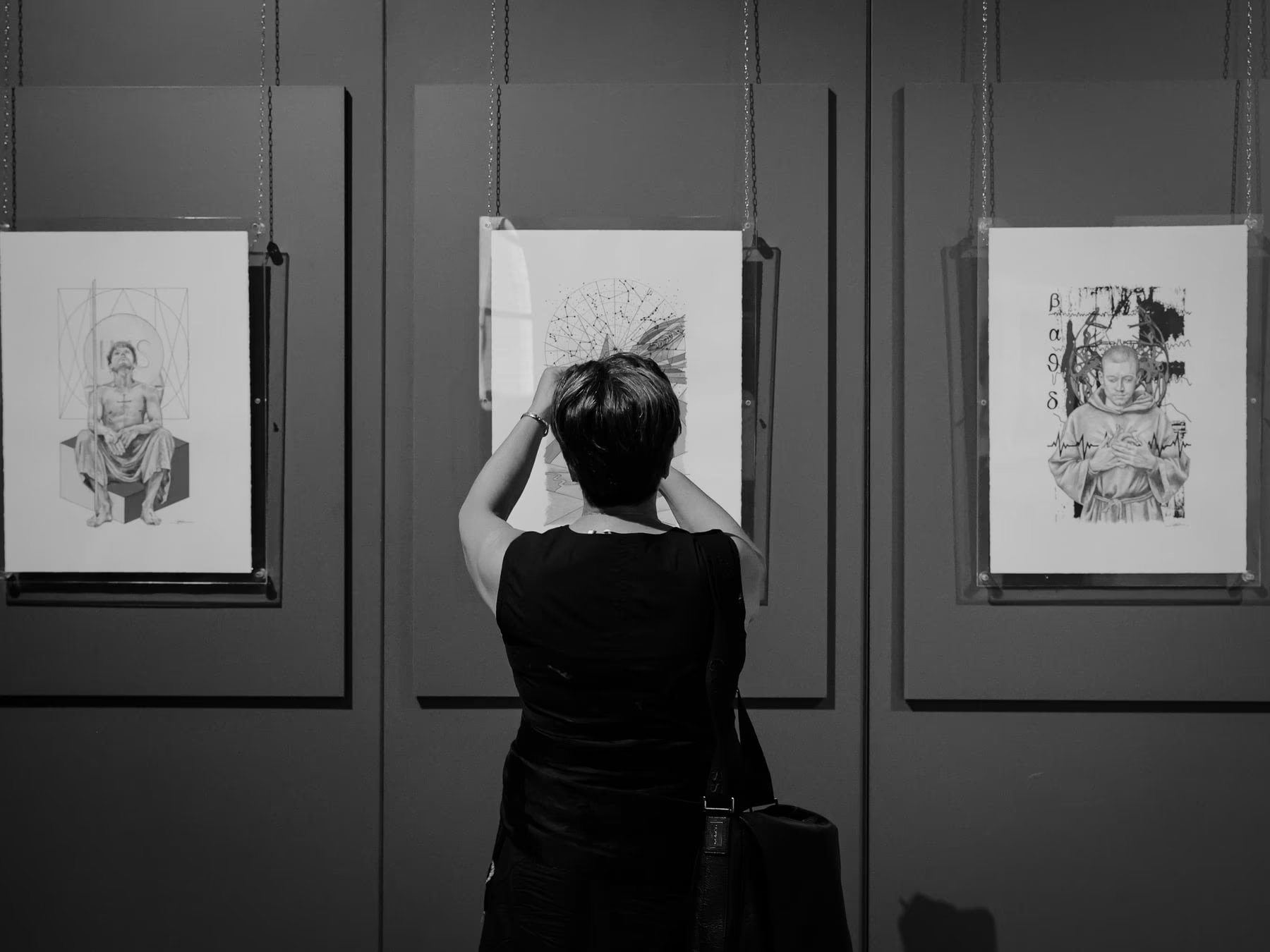
Between the panels. -
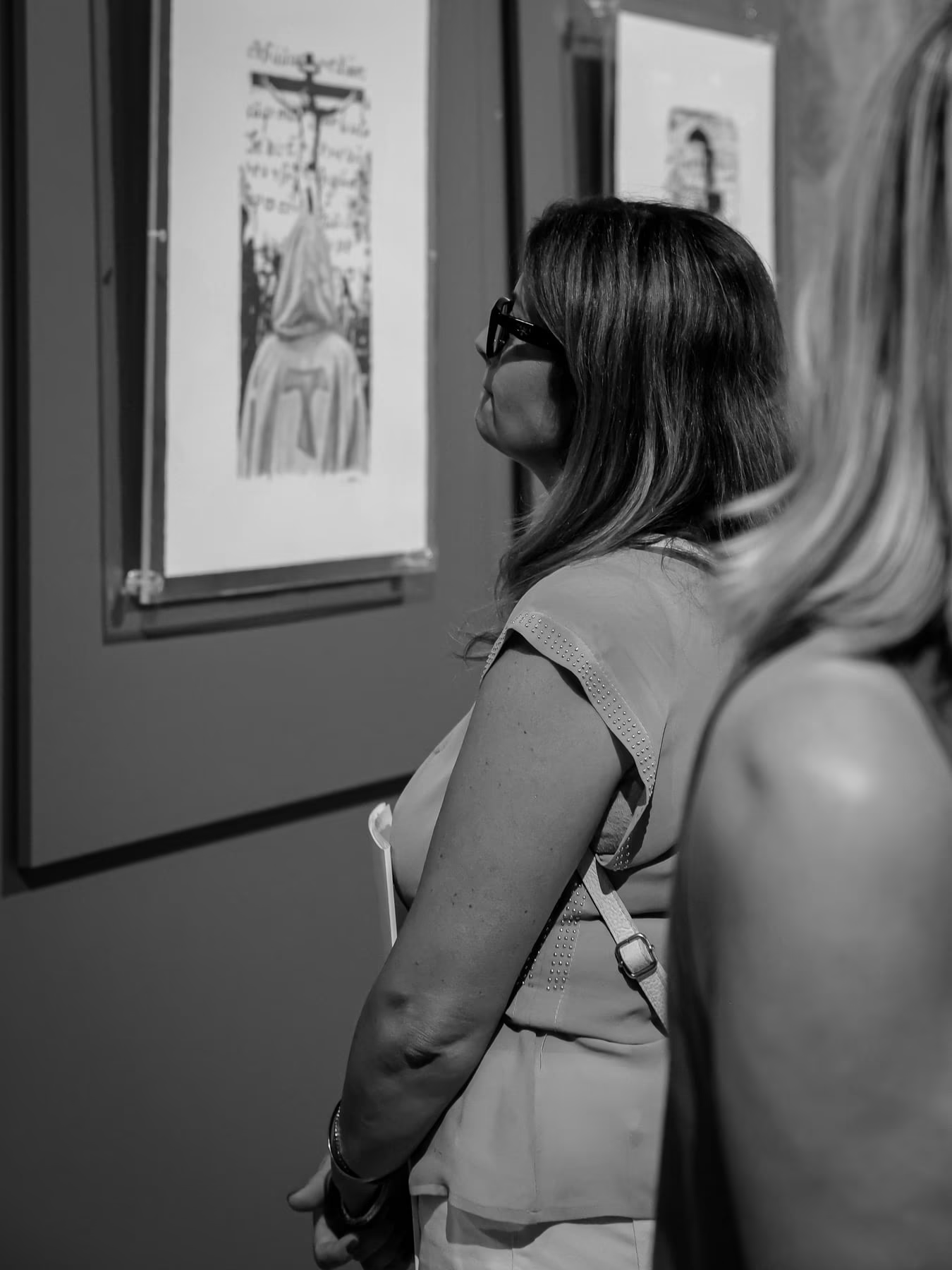
In profile. -
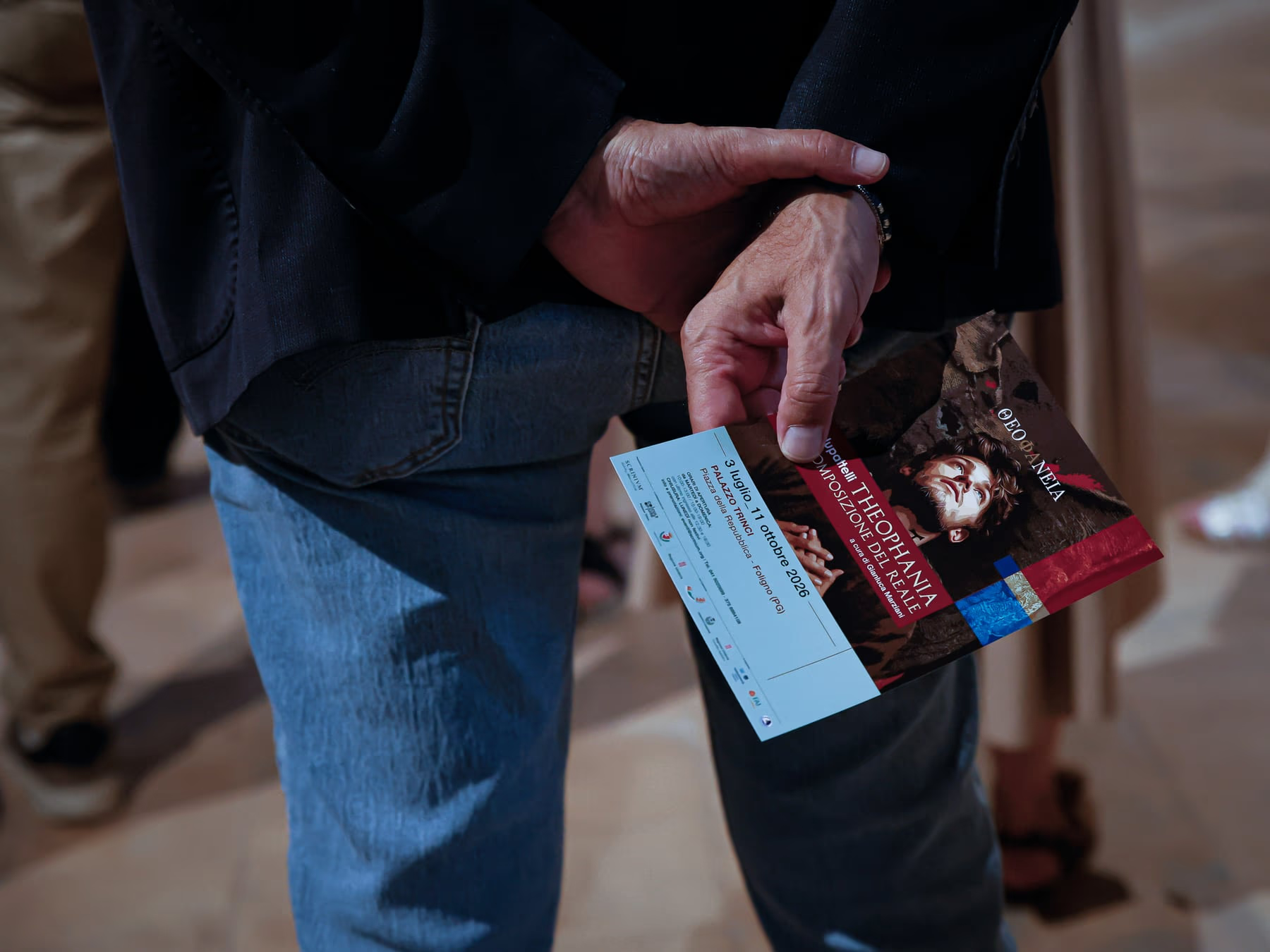
The exhibition leaflet.