The Works
Twenty-eight images, one research
-
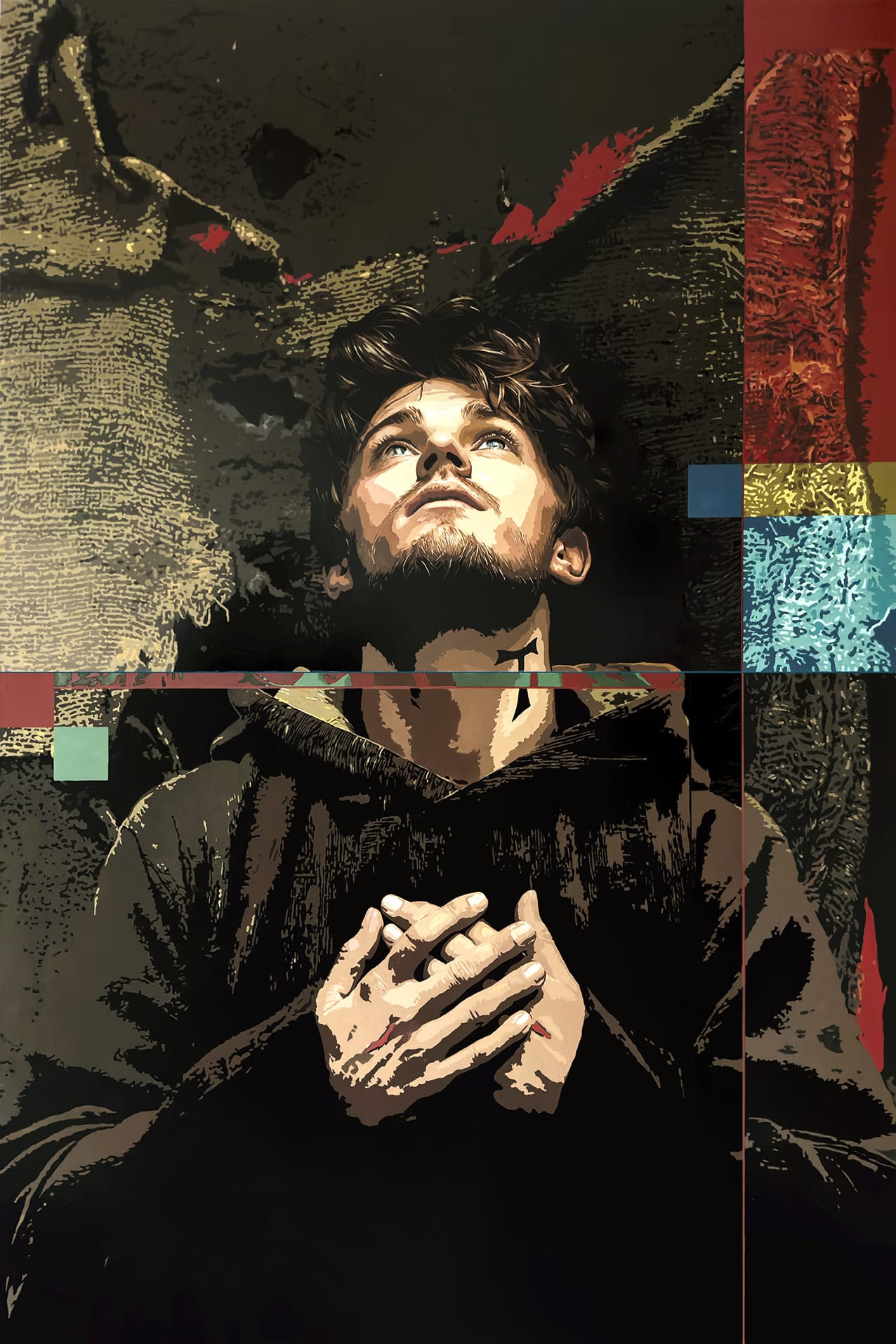
Opera Maior, the face that crosses time. Giorgio Lupattelli, acrylic on canvas.
THEOPHANIA is made up of twenty-eight works by Giorgio Lupattelli: four large paintings, twelve plates dedicated to the Laudes Dei Altissimi and twelve preparatory studies. A body of work in which Francis crosses memory, art, science and the contemporary, composing a weave of images, symbols and relationships.
Read more
Every work is a point of access to Giorgio Lupattelli’s research. The full itinerary, the preparatory studies and the content dedicated to the single works are gathered in the Works section.
Sixteen cores
Why they are not twenty-eight cards
Every plate and its preparatory study form a single narrative core: the study tells the genesis of the plate and is to be read within it. Together with the four large works in museum format, the corpus reads as an organism in sixteen manifestations.
In the exhibition rooms the sequence is another: the studies are displayed beside the large works, while the plates occupy the following rooms. The two readings coexist, and the visit follows the exhibition sequence.
Liber Laudis
A single work in twelve folia
The twelve plates compose a single work in twelve folia: each keeps its own identity and, in relation with the others, takes part in a unified visual field. What holds for the triptych holds for the Liber Laudis: unity does not cancel the single image, it sets it in relation.
Opera Maior is the point. The triptych and the Liber Laudis are the field.
- Narrative cores
- 16
- Physical works
- 28: 4 major works, 12 panels, 12 preparatory studies
- Exhibition rooms
- 3, in the Pinacoteca del Trecento of Palazzo Trinci
The four major works
-
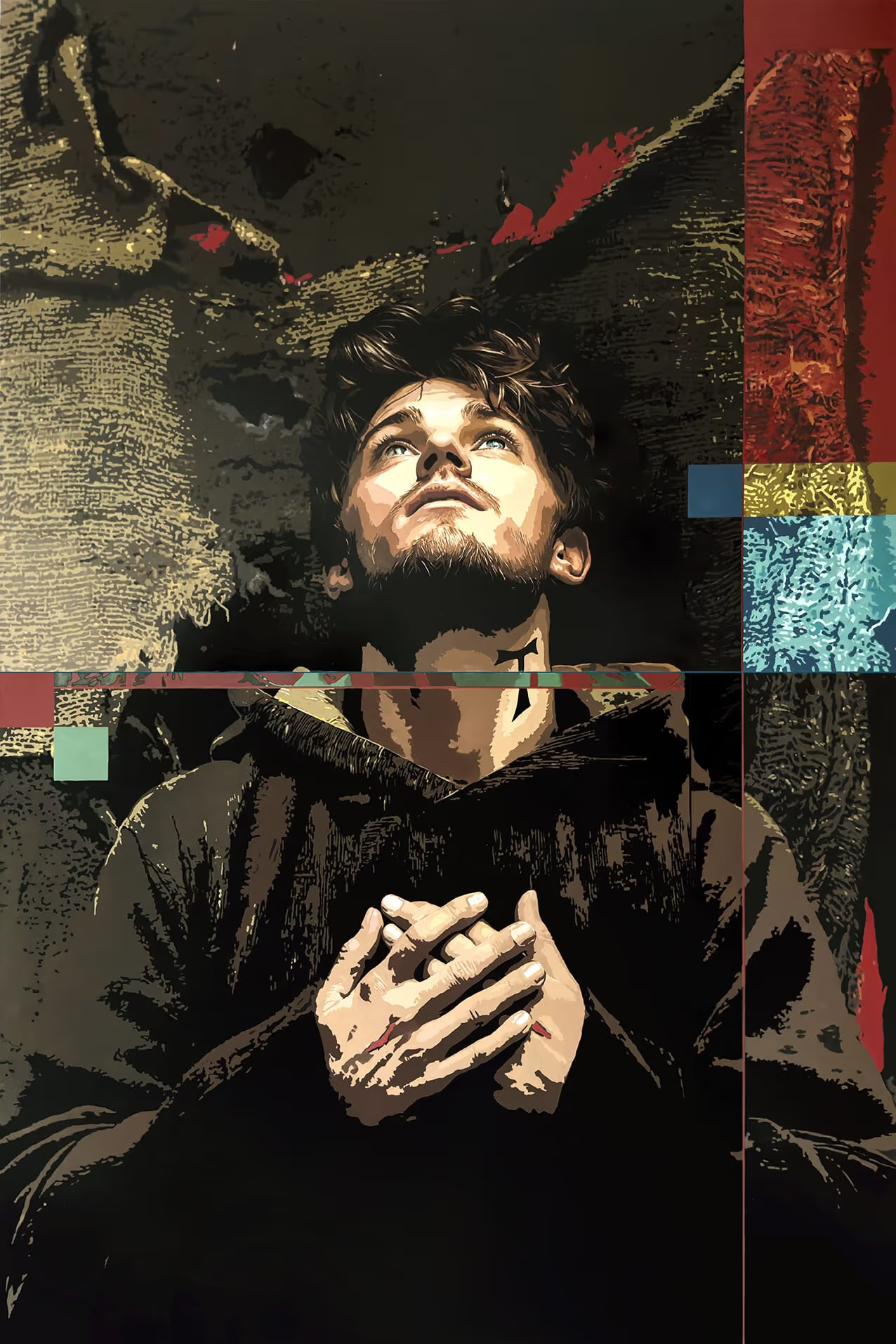 THEOPHANIA (Il volto che attraversa il tempo) Acrylic on canvas · cm. 120 x180 Enter the work →
 -
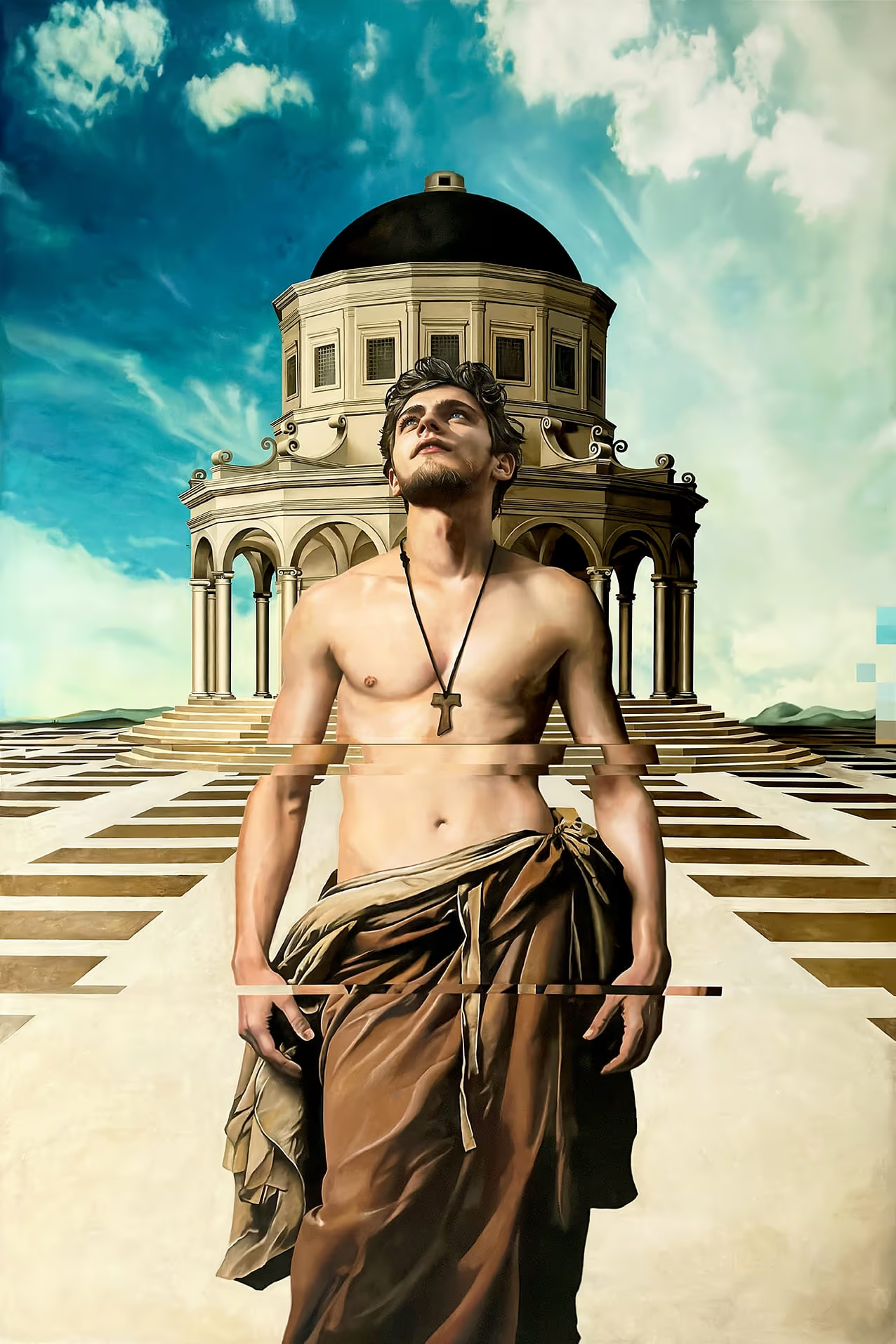 THEOPHANIA (trittico 1) Oil on canvas · cm. 120 x180 Enter the work →
 -
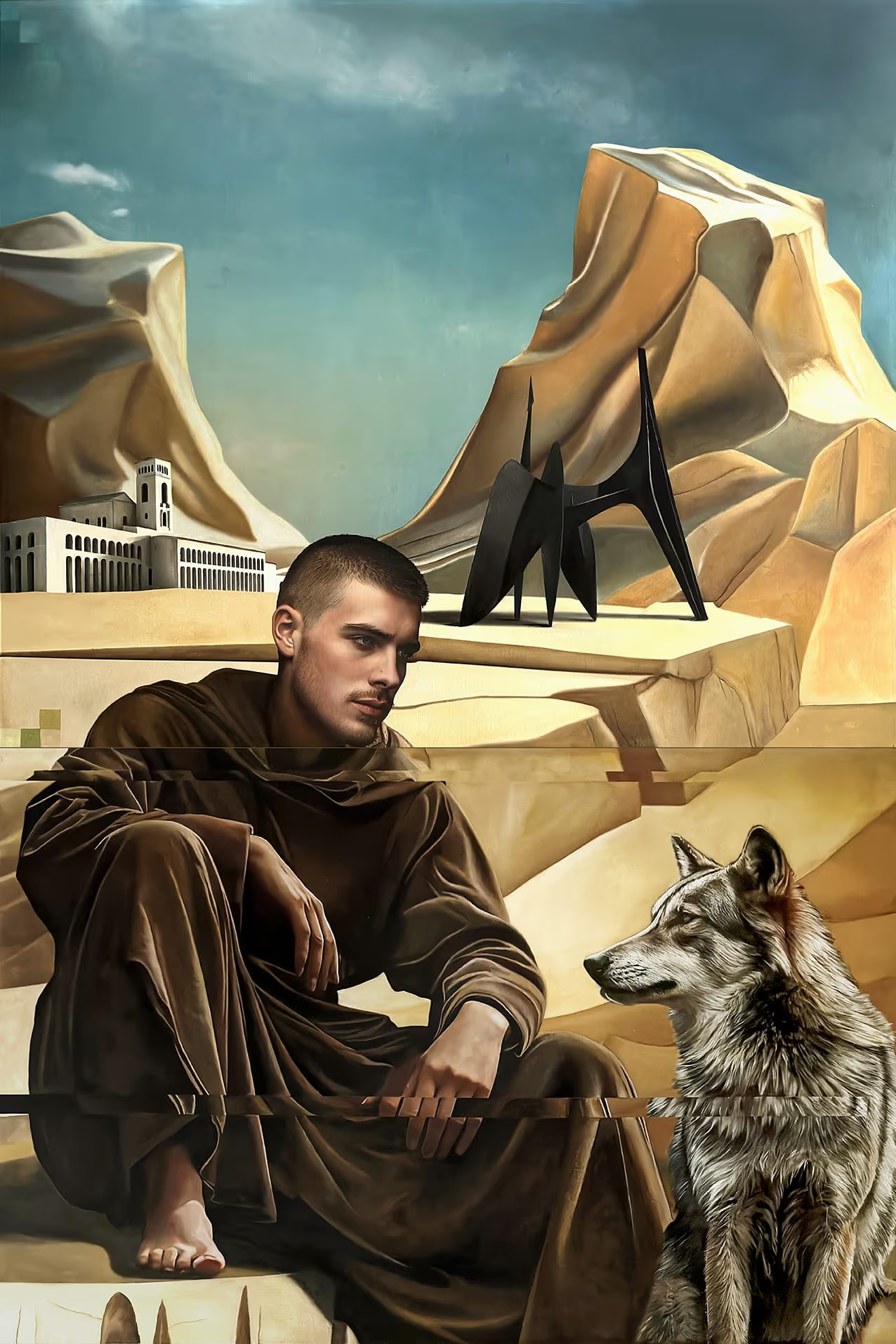 THEOPHANIA (trittico 2) Oil on canvas · cm. 120 x180 Enter the work →
 -
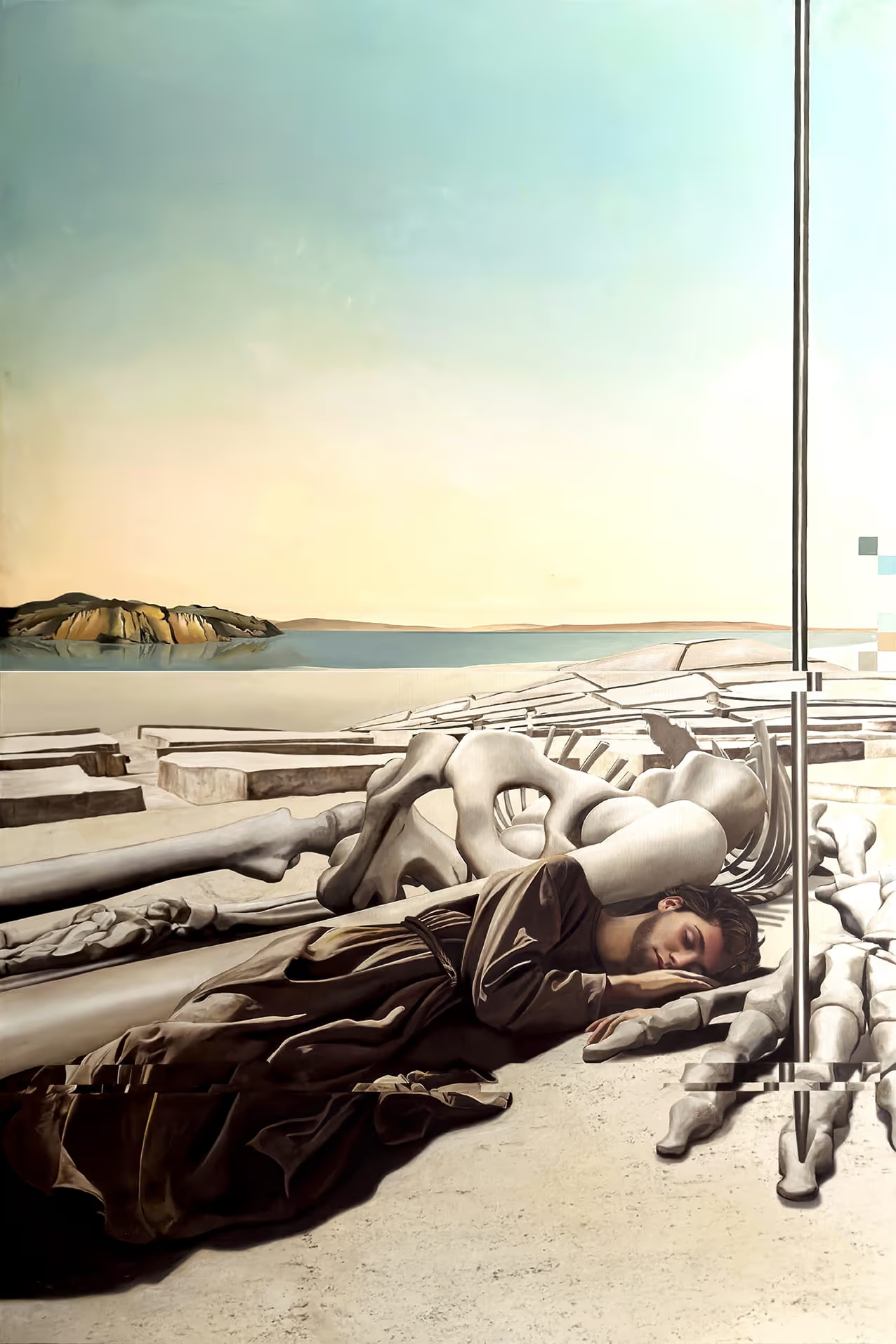 THEOPHANIA (trittico 3) Oil on canvas · cm. 120 x180 Enter the work →
The twelve panels, with their studies
-
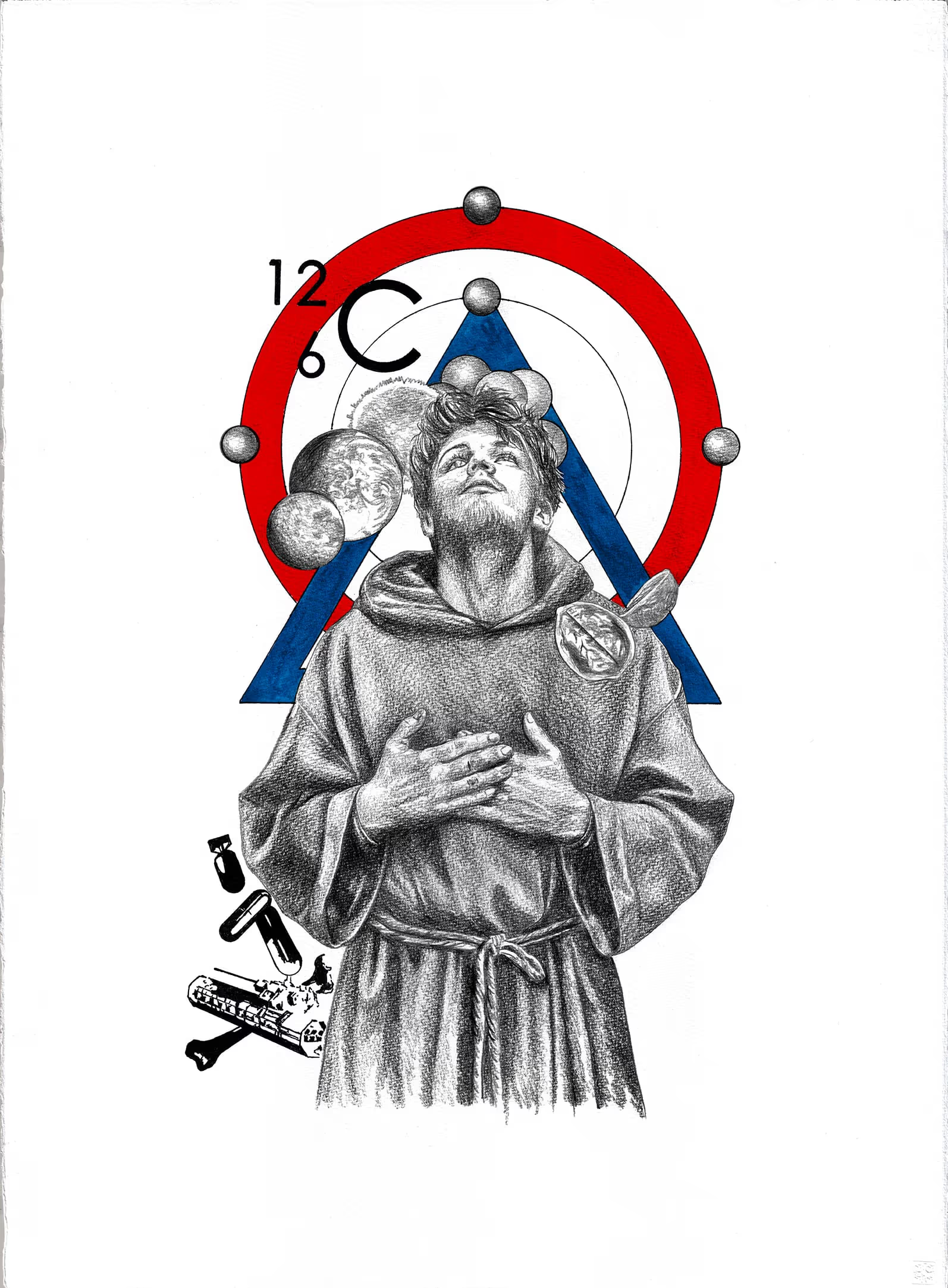 Unus (Unità del reale) Mixed media: charcoal, pencil, ink, watercolour on laid paper with untrimmed edges · cm. 50 x 70 (approx.) Enter the work →
 -
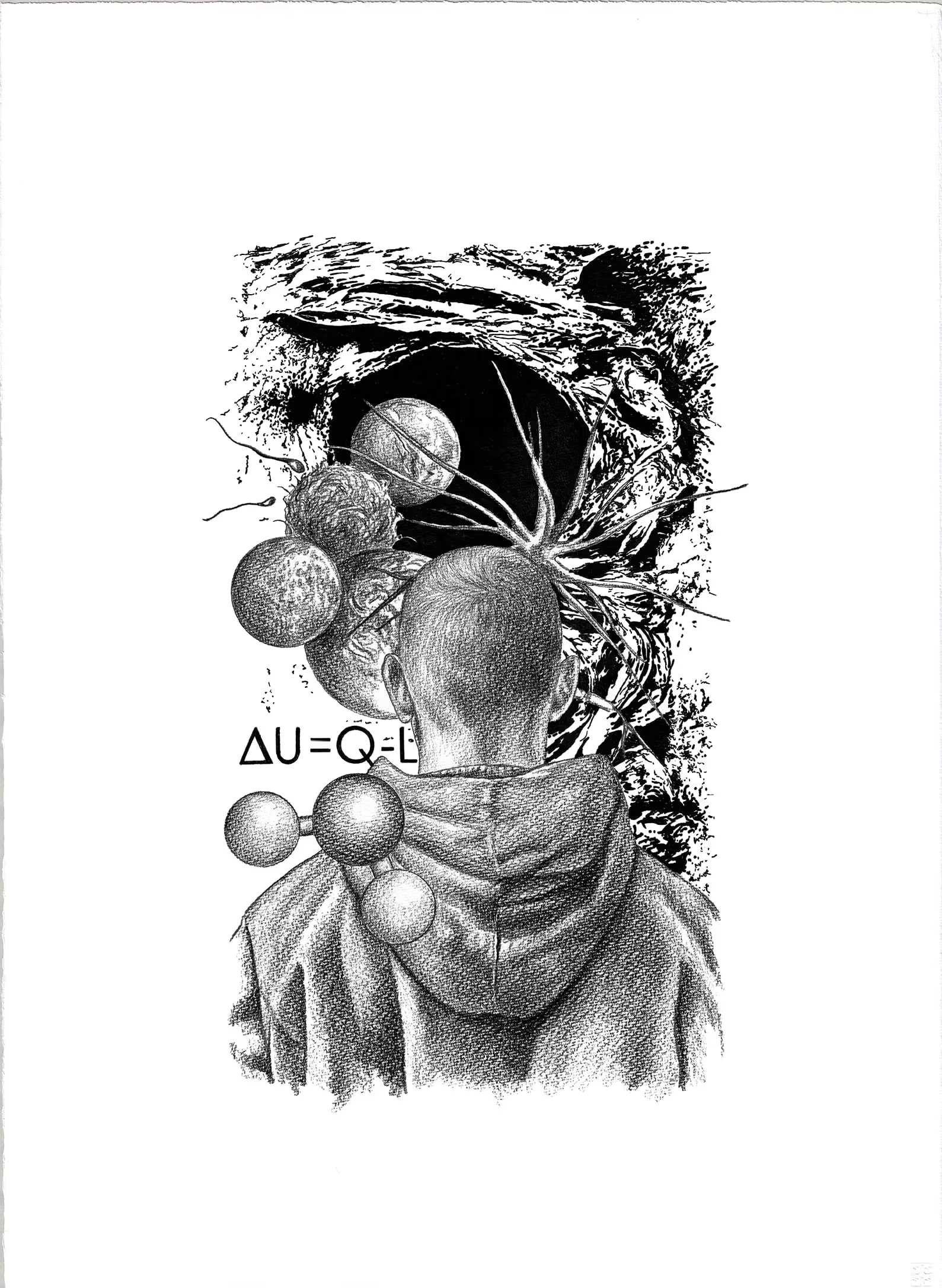 Cosmo come corpo vivente Mixed media: charcoal, pencil, ink, watercolour on laid paper with untrimmed edges · cm. 50 x 70 (approx.) Enter the work →
 -
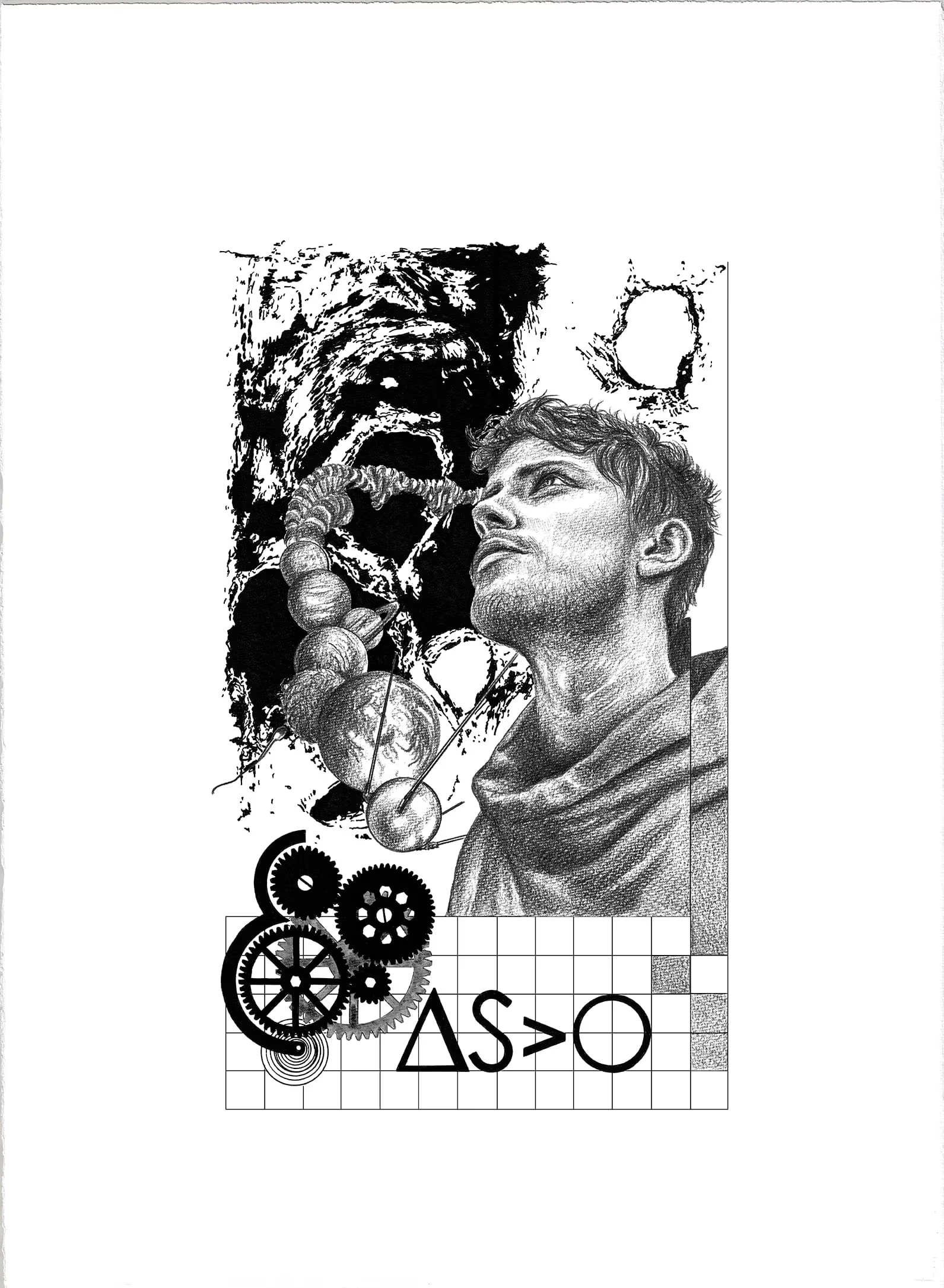 Origine senza inizio Mixed media: charcoal, pencil, ink, watercolour on laid paper with untrimmed edges · cm. 50 x 70 (approx.) Enter the work →
 -
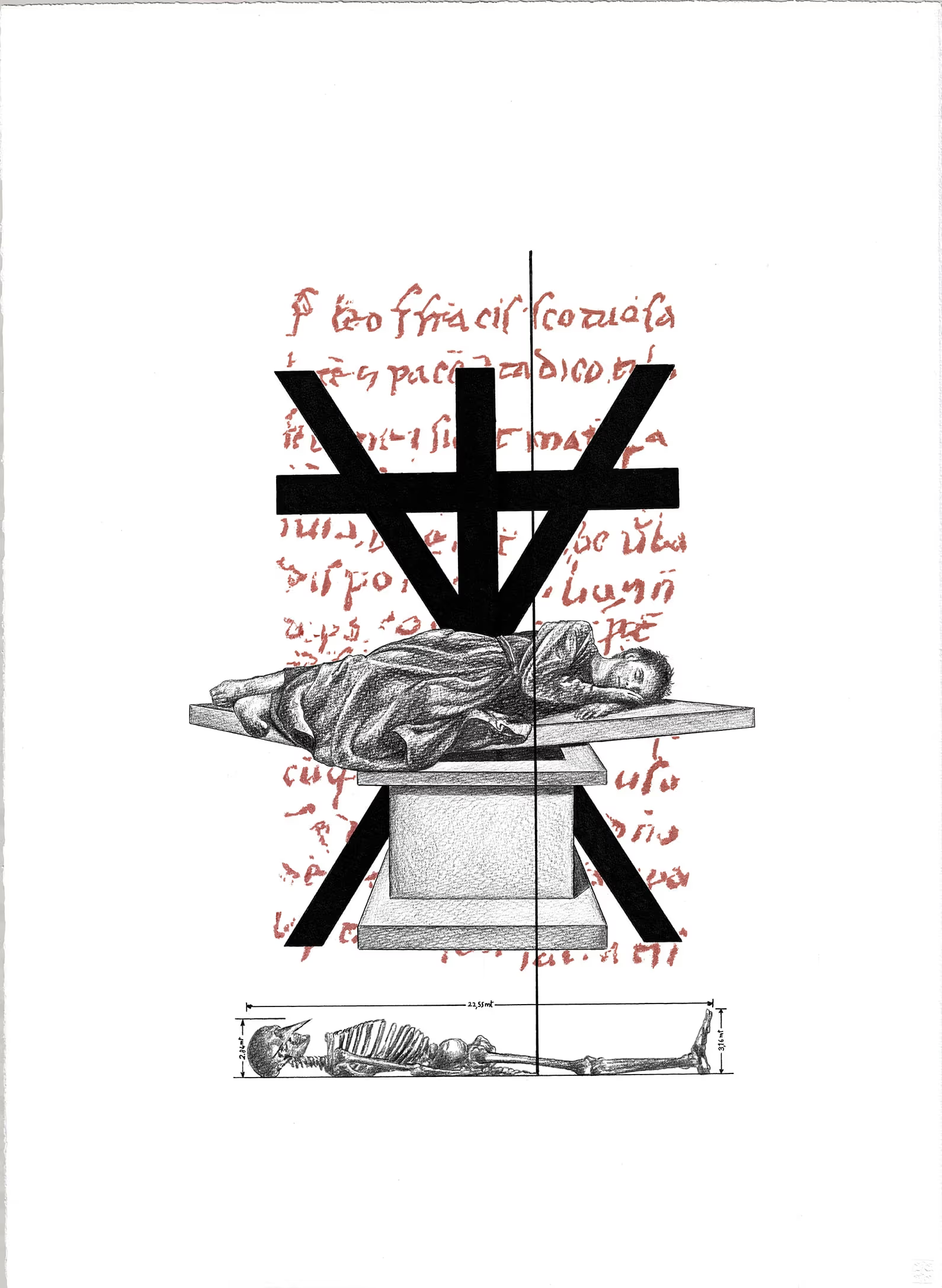 Compimento senza fine Mixed media: charcoal, pencil, ink, watercolour on laid paper with untrimmed edges · cm. 50 x 70 (approx.) Enter the work →
 -
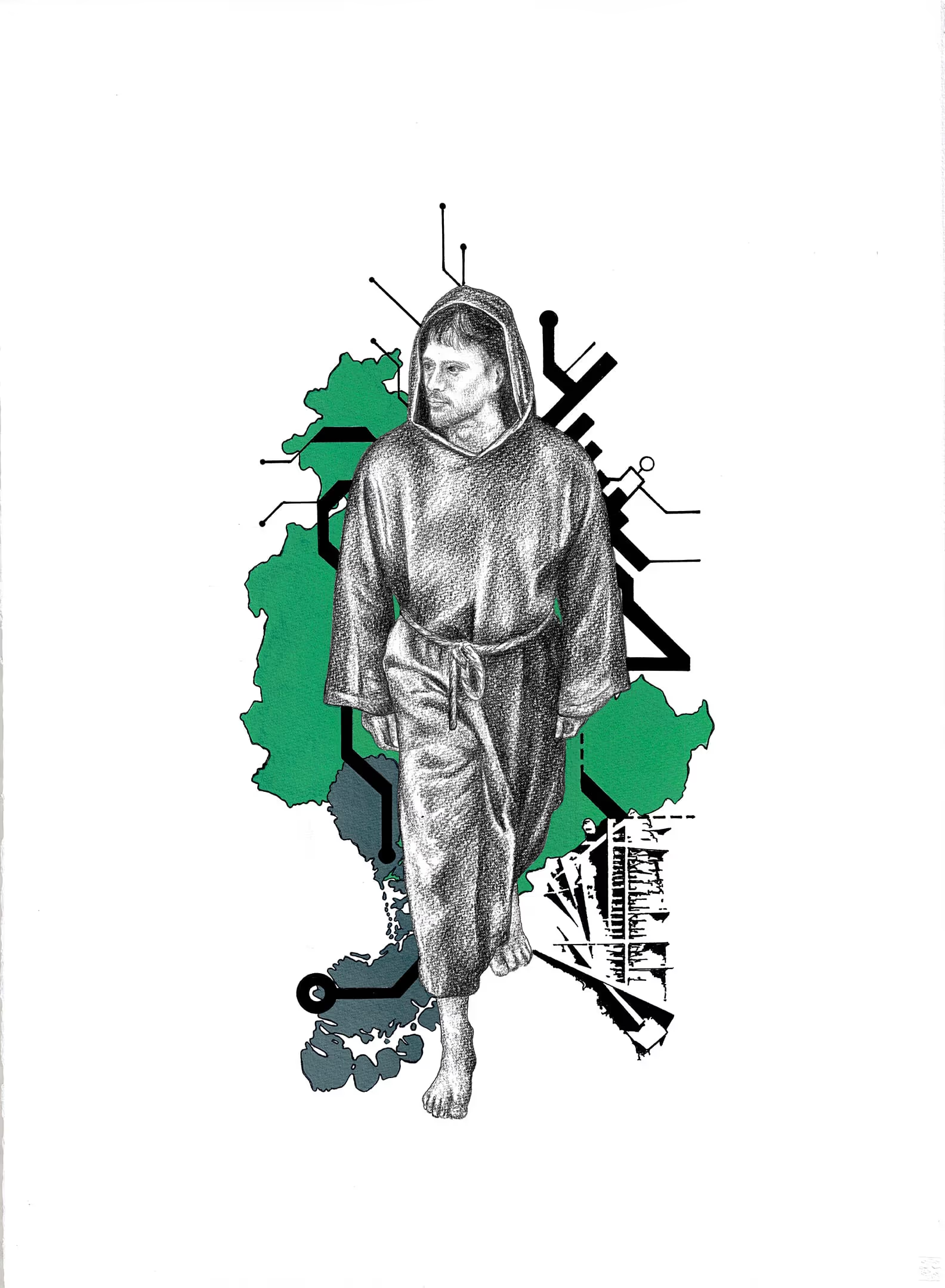 Francesco come soglia Mixed media: charcoal, pencil, ink, watercolour on laid paper with untrimmed edges · cm. 50 x 70 (approx.) Enter the work →
 -
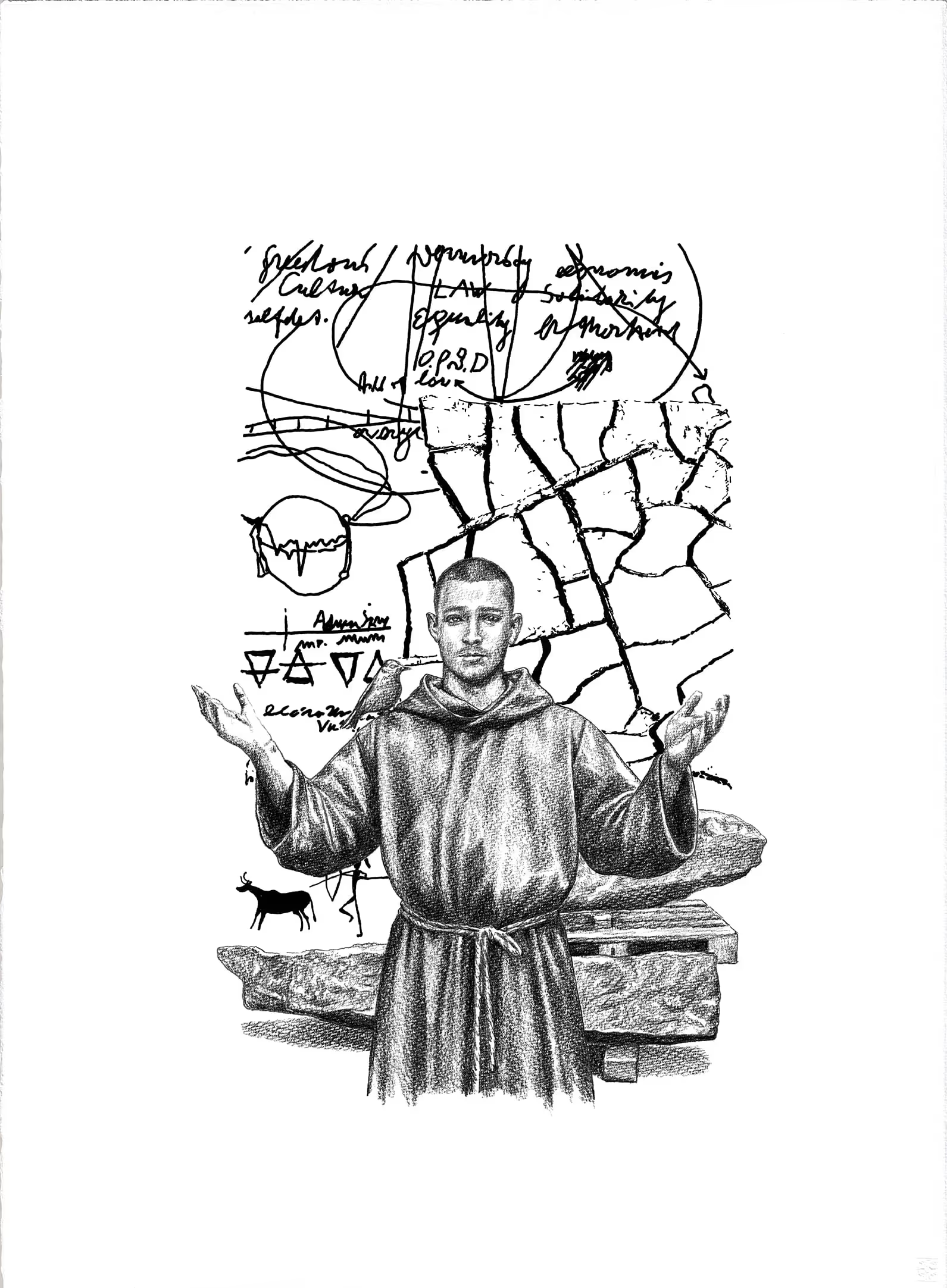 La lode come stato dell’essere Mixed media: charcoal, pencil, ink, watercolour on laid paper with untrimmed edges · cm. 50 x 70 (approx.) Enter the work →
 -
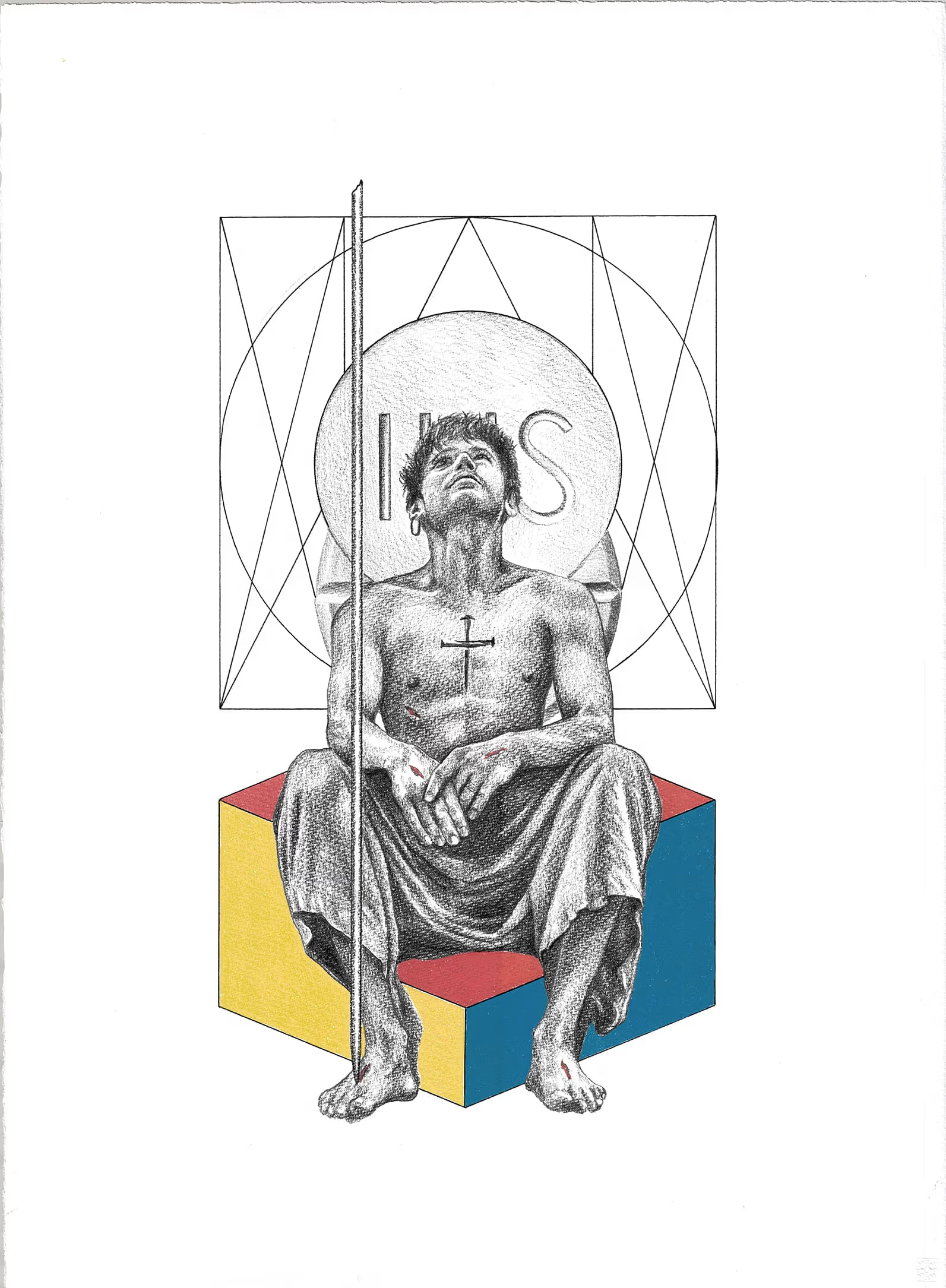 Il corpo come luogo del divino Mixed media: charcoal, pencil, ink, watercolour on laid paper with untrimmed edges · cm. 50 x 70 (approx.) Enter the work →
 -
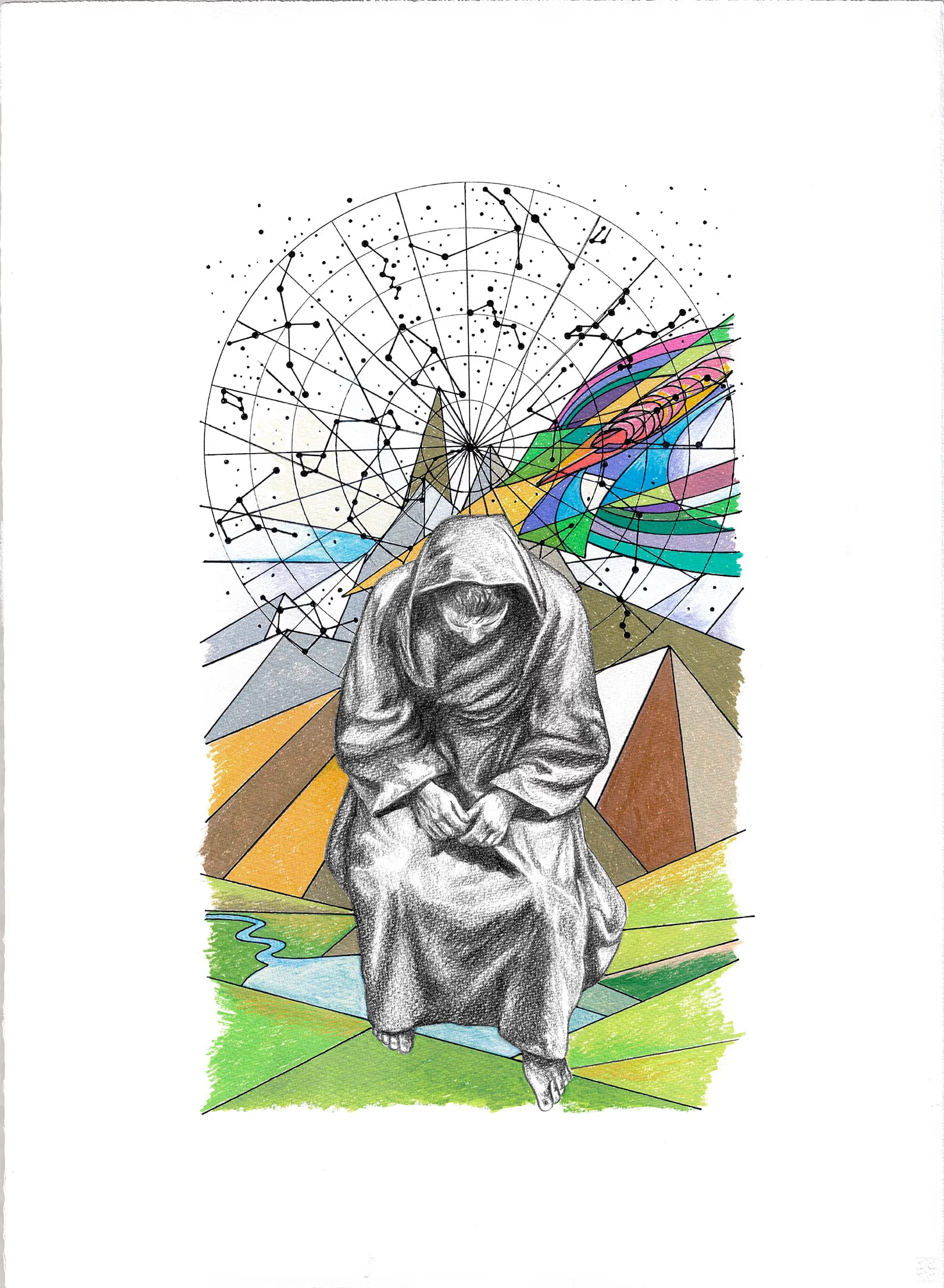 Le stelle come semi del destino Mixed media: charcoal, pencil, ink, watercolour on laid paper with untrimmed edges · cm. 50 x 70 (approx.) Enter the work →
 -
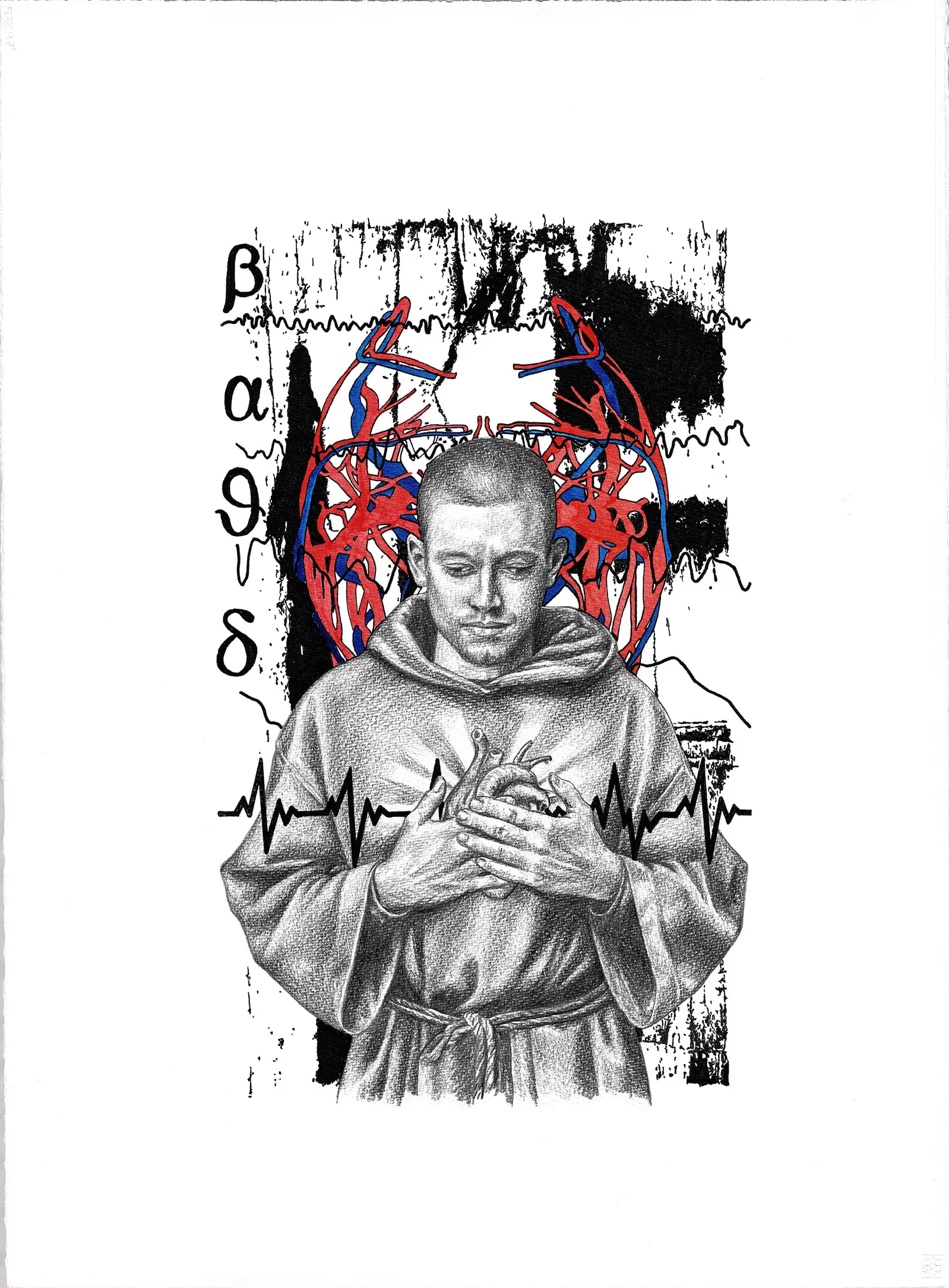 Purificazione del cuore Mixed media: charcoal, pencil, ink, watercolour on laid paper with untrimmed edges · cm. 50 x 70 (approx.) Enter the work →
 -
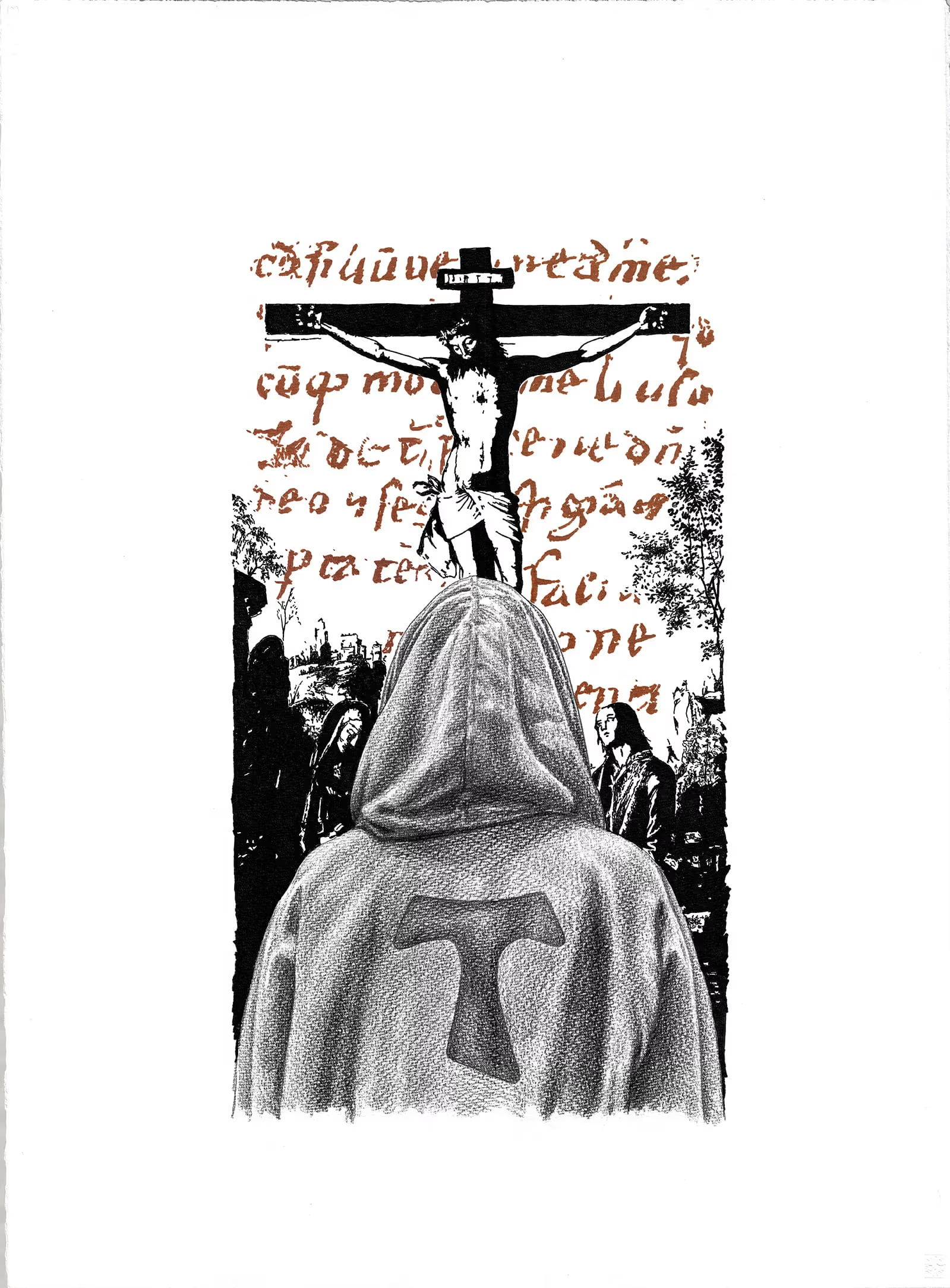 Il Tau come sigillo Mixed media: charcoal, pencil, ink, watercolour on laid paper with untrimmed edges · cm. 50 x 70 (approx.) Enter the work →
 -
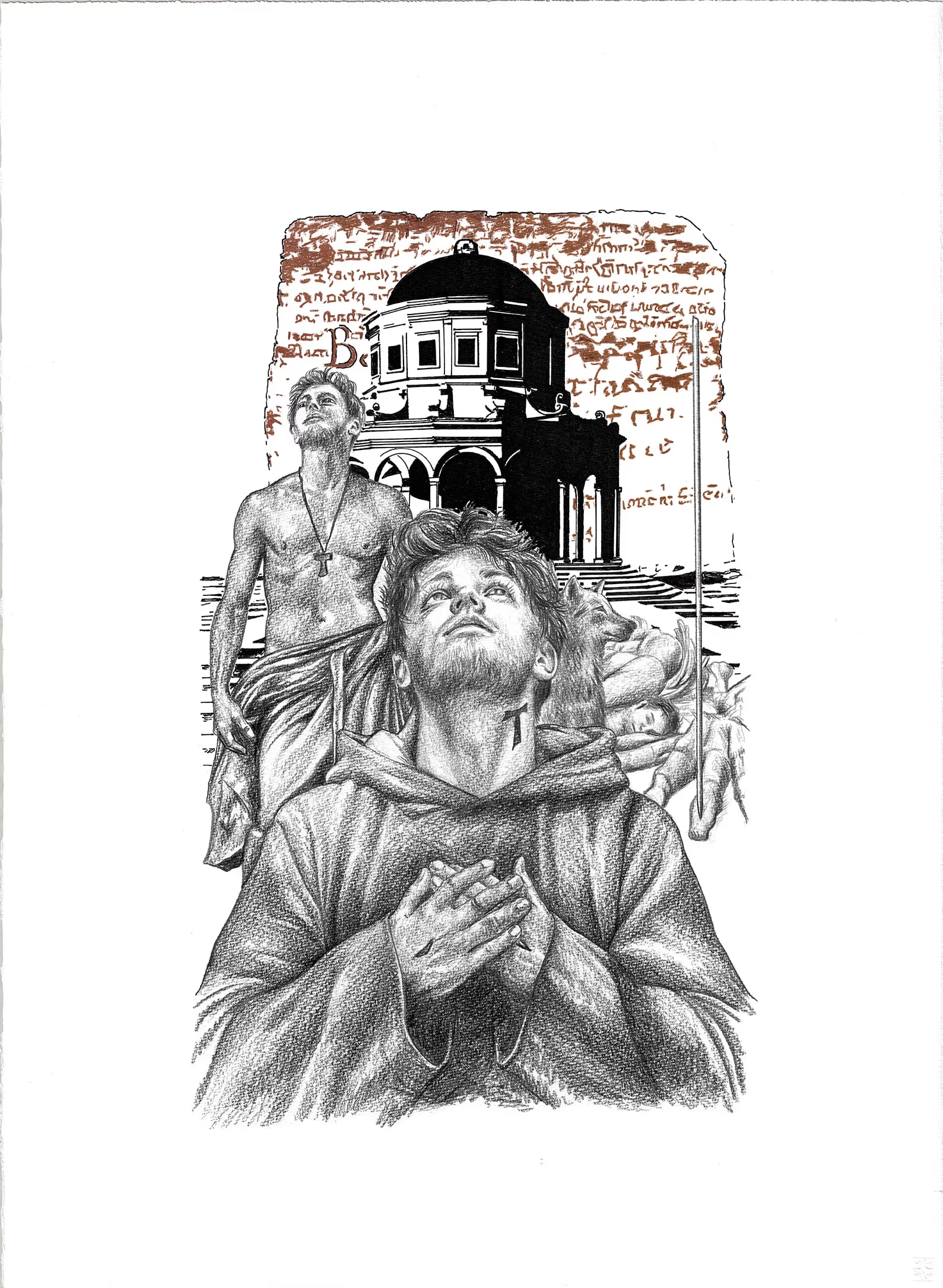 Opera Maior come corpo composto Mixed media: charcoal, pencil, ink, watercolour on laid paper with untrimmed edges · cm. 50 x 70 (approx.) Enter the work →
 -
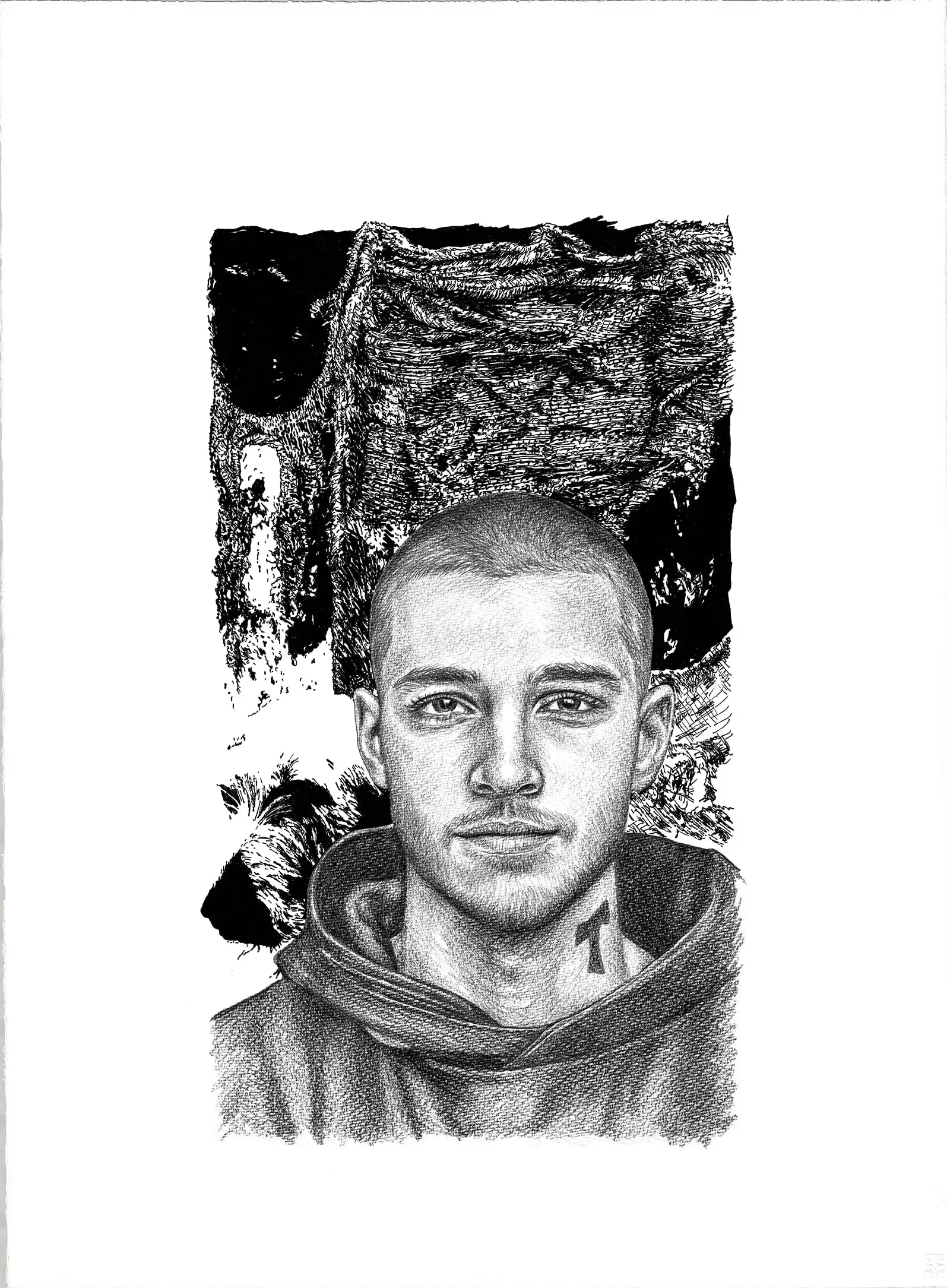 Assenza di dramma Mixed media: charcoal, pencil, ink, watercolour on laid paper with untrimmed edges · cm. 50 x 70 (approx.) Enter the work →
Rights of use, exhibition and reproduction: Scrinium.